June Practice Updates: Farewell, Exams & Patient Survey

Farewell to Dr Ryan as he heads to the UK, good luck to our registrars sitting RACGP exams, and an invitation to take part in a short patient survey on vaccination decisions.
June Practice Updates: A Farewell, Exam Season, and a Patient Survey
A Fond Farewell to Dr Ryan
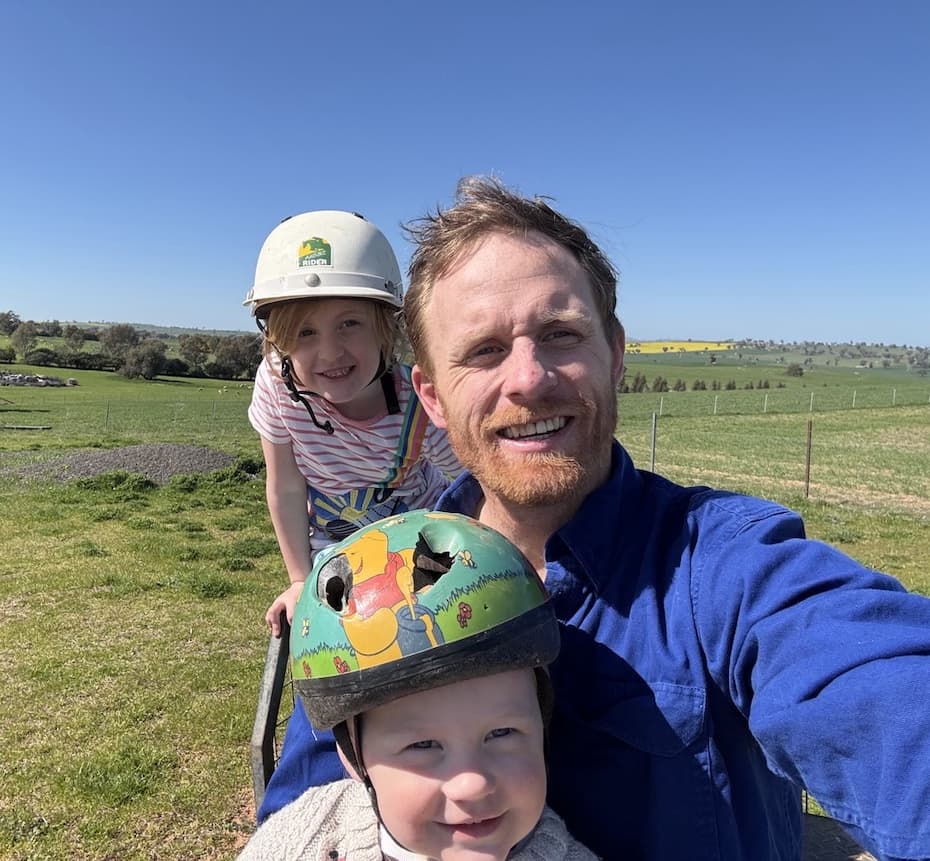
We have some exciting, if bittersweet, news to share. Dr Ryan will be leaving FMP from mid-August to take up a position in the United Kingdom, where he and his family will be living, travelling, and spending time with friends they have made over the years.
We will miss him enormously. Dr Ryan has been an outstanding doctor and a genuinely wonderful person to have as part of our team. He speaks with great warmth about his colleagues at FMP and about the patients he has had the privilege of caring for, and we know that feeling is very much mutual.
The good news is that this is not a permanent goodbye. Dr Ryan plans to return to FMP periodically to do locum blocks with us. We will advertise those dates as soon as they are confirmed, so watch this space.
In the meantime, Dr Ryan's patients will continue to receive the same high standard of care from our team. Dr Ryan, from all of us and all of your patients: thank you, safe travels, and we cannot wait to have you back.
Good Luck to Our Registrars: RACGP Exams Ahead
.png)
This exam season, we want to give a heartfelt good luck to our registrars who are sitting their RACGP fellowship examinations, the final major milestone on the path to becoming a fully qualified Specialist General Practitioner.
What is a GP, and why does training matter?
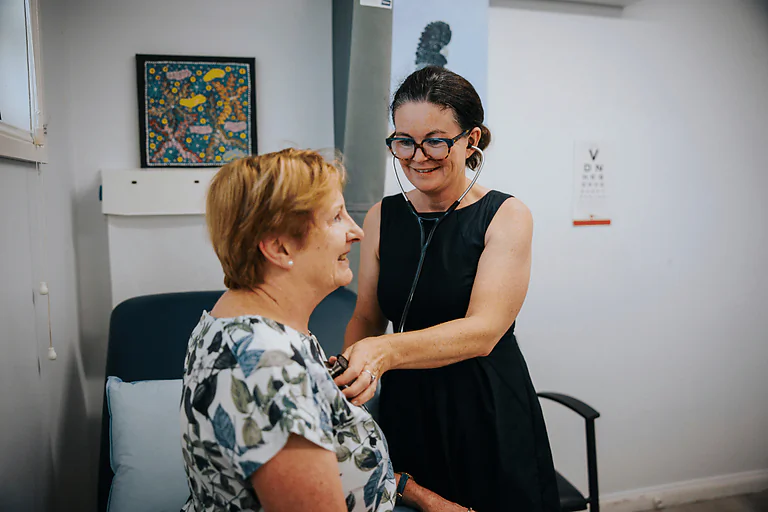
A General Practitioner is a specialist in family medicine, one of the broadest and most wonderful specialties in all of medicine. GPs care for patients across every stage of life and every system of the body, managing everything from everyday illness to chronic disease, mental health, preventive care, and complex long-term conditions. That continuity of care, knowing your patient over years and decades, is at the heart of what great general practice looks like.
The RACGP training pathway
Becoming a GP requires a minimum of 11 to 12 years of education and training after secondary school: an undergraduate (with or without postgraduate) medical degree (5 to 8 years), followed by internship and residency in hospitals (2+ years), and then the three-year RACGP General Practice Training Program. Throughout their training, registrars work as practising doctors under supervision while simultaneously studying for their fellowship examinations.
The fellowship examinations
The RACGP fellowship exams include three components: the Applied Knowledge Test (AKT), a written exam covering the breadth of general practice knowledge; the Key Feature Problems (KFP), clinical case-based problem-solving under exam conditions; and a Clinical Competency Examination (CCE), a practical observed assessment with simulated patients. Passing all three means demonstrating competency across the full scope of general practice. It is a genuine achievement.
Special interests
Once qualified, many GPs go on to develop particular areas of expertise, known as special interests, such as skin cancer medicine, women's health, mental health, paediatrics, or procedural skills. At FMP, our doctors bring real depth in areas including aviation, breastfeeding and perinatal medicine, ADHD and neurodiversity care, menopause and women's health, eating disorder support, gender care medicine, and more. This is what makes a great general practice far more than a walk-in clinic.
To our registrars sitting exams this season: you have worked incredibly hard to get here. The whole FMP team is cheering for you. Go show them what you have got. ⭐
Patient Survey: Vaccination Decisions
We are inviting our patients to take part in a short anonymous survey exploring how people make decisions about vaccination. Whether you have ever felt unsure, hesitant, or simply had questions about vaccines, your experiences and perspectives are valuable. The survey takes just 10 to 15 minutes to complete online and is open to adults aged 18 years and over who have attended general practice. Your insights will help improve GP and patient communication, support better informed care, and shape future healthcare approaches. Participation is completely voluntary and anonymous, with no identifying information collected. To take part, please complete our Microsoft Forms survey here.