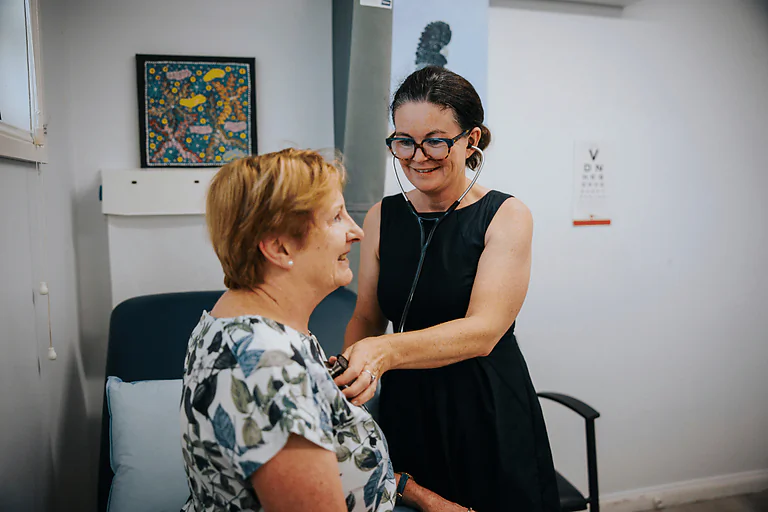
Are Vaccines Safe? What Families Need to Know

Vaccine hesitancy is rising across Australia.In this blog post, we will explain the latest immunisation updates, why concerns are common, and how to get answers you can trust before your next appointment.
Vaccine hesitancy is one of the most common conversations happening in GP clinics across Australia right now. If you have questions about vaccines — for yourself or your children — you are not alone, and your concerns deserve a real answer.
What is vaccine hesitancy?
Vaccine hesitancy refers to the delay in accepting or refusal of vaccines, even when they are available. The World Health Organisation identifies it as one of the top ten threats to global health. In Australia, hesitancy has increased since the COVID-19 pandemic, affecting uptake of both childhood immunisations and adult boosters.
Why do people have concerns about vaccines?
People hesitate for many reasons. Common causes include misinformation spread through social media, past negative experiences with the healthcare system, religious or philosophical beliefs, fear of side effects, and distrust in pharmaceutical companies or government recommendations. These concerns are understandable. What matters is that they are addressed with accurate, evidence-based information — not dismissed.
What are the current vaccine recommendations in Australia?
Australia's National Immunisation Program (NIP) provides free vaccines for eligible people at key life stages. As of 2025:
Age Group & Key Vaccines
- Infants (0–12 months): Hepatitis B, DTPa, Hib, polio, pneumococcal, rotavirus, meningococcal B
- Children (18 months–4 years): MMR booster, DTPa booster, varicella
- Adolescents (12–13 years): HPV, dTpa, meningococcal ACWY
- Adults 65+: Influenza (annual), shingles, pneumococcal
- Pregnant women: Whooping cough booster, influenza
Source: Australian Immunisation Handbook, Department of Health and Aged Care
Your GP can check your immunisation history through the Australian Immunisation Register and advise whether you or your child are up to date.
Are there any new vaccine updates in 2025?
Several updates have occurred to Australia's immunisation schedule recently. The RSV vaccine is now recommended for adults 60 and over and for pregnant women to protect newborns. COVID-19 boosters continue to be recommended annually for people over 65, immunocompromised individuals, and Aboriginal and Torres Strait Islander people. Meningococcal B vaccine (Bexsero) is now included in the NIP for infants. Updated flu vaccines are formulated each year based on circulating strains in the Southern Hemisphere.
What are the most common vaccine side effects?
Most side effects are mild and short-lived: soreness or redness at the injection site, a low-grade fever for 24–48 hours, and fatigue or irritability, especially in young children. Serious allergic reactions (anaphylaxis) are rare, occurring in approximately 1–2 per million doses. All vaccination clinics are equipped to manage this safely.
What should I do if I have concerns about a vaccine?
The single best step is to speak with your GP before making a decision. A good GP will listen without judgement, explain the evidence clearly, and help you make an informed choice for yourself or your family. At Family Medical Practices, our GPs have time to have these conversations properly. We serve families across Kirrawee, Woolooware, and Kurnell, and we understand that trust takes time to build.
Help shape how GPs talk about vaccines
The University of Wollongong is currently running a short anonymous research study exploring how people make decisions about vaccination. If you have ever felt unsure, hesitant, or had questions about vaccines, your experience is exactly what the researchers want to hear.
The survey takes 10–15 minutes, is completely anonymous, and can be completed on your phone anytime. No identifying information is collected and your responses cannot be linked back to you.
Who can take part: Adults aged 18 and over who have attended a general practice.
Why it matters: Your insights can help improve GP-patient communication, support better-informed care, and shape future healthcare approaches across Australia.

FAQ: Vaccines
Can vaccines cause the disease they are meant to prevent?
Most vaccines use inactivated virus or just parts of a virus and cannot cause the disease. Live-attenuated vaccines like MMR use a very weakened form that does not cause illness in healthy people. A mild immune response, like a low fever, is not the disease itself.
Is it safe to get multiple vaccines at once?
Yes. Australia's immunisation schedule is designed so that multiple vaccines given together are safe and effective. Research consistently shows there is no benefit to spacing them out, and doing so leaves children unprotected for longer.
Do I need a vaccine if I've already had the disease?
Natural immunity varies. For some conditions, vaccination still provides better or longer-lasting protection. Your GP can advise based on your specific history.
Are vaccines still being monitored for safety?
Yes. The Therapeutic Goods Administration (TGA) continuously monitors vaccine safety through post-market surveillance. Any new safety signals are investigated and communicated to healthcare providers.
Book an appointment at Family Medical Practices in Kirrawee, Woolooware, or Kurnell to speak with a GP about your vaccination history and any concerns you have.