Menopause and Perimenopause: Symptoms, Support Options and When to See Your GP
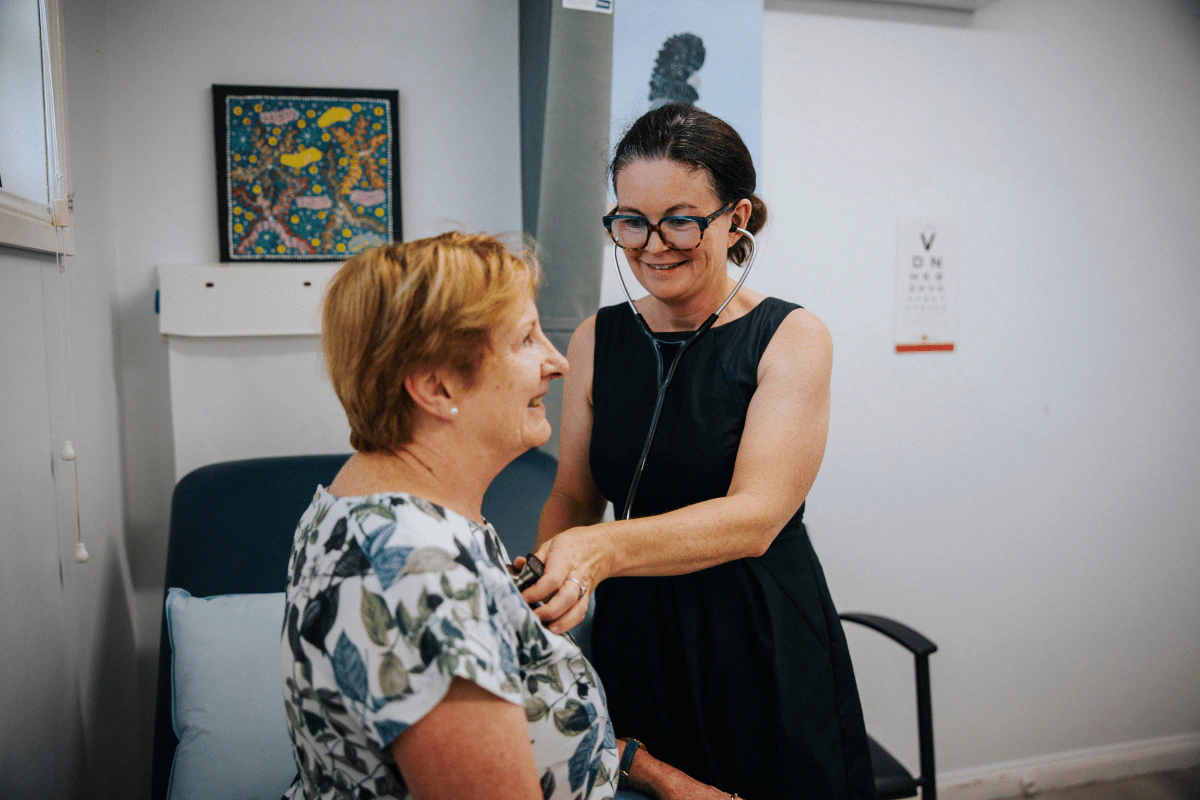
Menopause looks different for every woman. Learn what perimenopause and menopause involve, the support options to discuss with your GP, and how to prepare for your appointment.
Menopause is your final period, confirmed once you have gone 12 months without one, and most Australian women reach it between 45 and 55. The lead-up, called perimenopause, can bring changes to periods, sleep and mood. Your GP can talk through your symptoms and the options that may suit you.
Menopause is not just about periods stopping, and everyone’s experience is different. With World Menopause Day on 18 October, here is a plain-language guide to what to expect and what support is available.
What is the difference between perimenopause and menopause?
Perimenopause is the phase leading up to your final period and the 12 months after it. According to the Australian Government, it usually starts in your 40s, can last between 2 and 10 years, and averages around 4 to 6 years. During this time your hormone levels fluctuate, which can cause physical, emotional and mental symptoms.
Menopause is a single point in time: your final period. In Australia most women reach it between 45 and 55, with an average age of 51. Menopause before 45 is called early menopause, and before 40 is called premature menopause.
What are the common symptoms of menopause?
Symptoms vary a lot between women. Common ones include:
- Periods that become shorter, longer, lighter, heavier or less predictable
- Hot flushes and night sweats
- Trouble falling asleep, or waking more often during the night
- Mood changes, including irritability, anxiety or feeling low
- Tiredness, brain fog and forgetfulness
- Vaginal dryness, and muscle or joint aches
The same Australian Government resource notes that about 1 in 2 women report mild to moderate symptoms, around 1 in 4 have symptoms severe enough to affect daily activities, and around 1 in 4 have no symptoms. Symptoms in midlife are also not always caused by menopause, which is one reason a GP check can help.
How is perimenopause diagnosed?
Usually through a conversation. If you are in the typical age range of 45 to 55, doctors do not usually measure hormone levels to check for perimenopause. Your GP will consider your age, your symptoms and your period history, and may check other possible causes.
What support options are there?
There is no single approach, so there should not be one-size-fits-all management either. Options your GP may discuss with you include:
- Everyday habits. Sleep routines, regular movement and nutrition may help with some symptoms and support your overall wellbeing.
- Menopausal hormone therapy. This may be an option for some women. Whether it is suitable depends on your age, symptoms, and personal and family health history.
- Non-hormonal options. There are also non-hormonal medicines and other approaches that may help with certain symptoms.
- Mental health support. Changes in mood, sleep and how you are feeling are worth talking about too. Our mental health guide covers how a GP can help.
Menopause can also be a good time to review the bigger picture, such as blood pressure, cholesterol and bone health. If changes in weight or metabolic health are a concern, our Lifestyle, Weight and Metabolic Clinic may be able to help.
Can I still get pregnant during perimenopause?
Yes, it is still possible. If you do not want to become pregnant, the Australian Government advises considering contraception until 12 months after your final period. Raise this with your GP if you are unsure what suits you.
How can I prepare for a menopause appointment?
- Note your symptoms and how long you have had them, for example with the Jean Hailes perimenopause and menopause symptom checklist
- Track your periods if they are changing
- List any medicines and supplements you take, and any relevant family history
- Write down your questions so nothing gets missed
Book a longer appointment if you would like more time to talk it through.
Talk to an FMP GP about menopause
Our women’s health service supports women through every stage. Book at Kirrawee, Woolooware or Kurnell.
Frequently asked questions
How do I know if I am in perimenopause?
Perimenopause is usually identified from your age, symptoms and period history. A GP can talk through what you are noticing and check whether something else may be contributing.
Do I need a blood test to confirm menopause?
Not usually. For women in the typical age range of 45 to 55, doctors do not generally rely on hormone tests to diagnose perimenopause. Your GP may still suggest tests to look for other causes of your symptoms.
Is hormone therapy right for me?
It depends. Menopausal hormone therapy may be suitable for some women, and your GP can discuss the potential benefits and risks in the context of your health history.
When should I see a GP about menopause symptoms?
Consider booking when symptoms affect your sleep, mood, work or relationships, when your periods change significantly, or when you are unsure whether what you are experiencing is menopause.
This article is for general information only and does not replace professional medical advice. Please speak with your GP before making any changes to your health care.