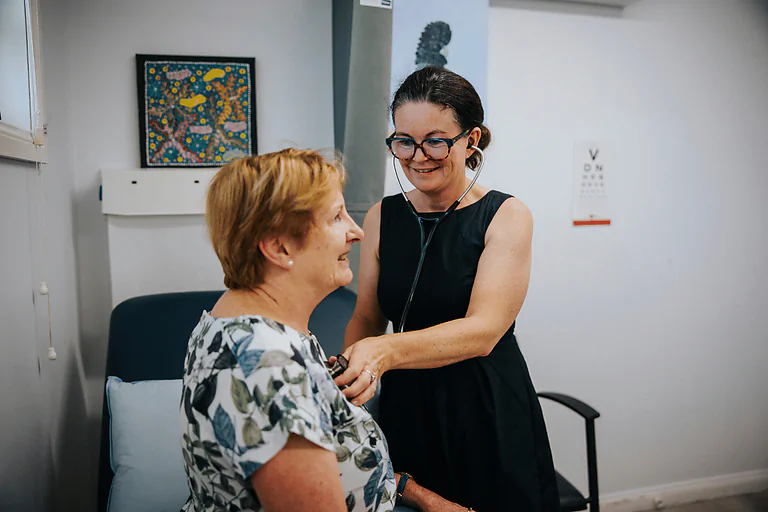
Women's Health Week Guide

Women's Health Week is a reminder to put your own check-ups first. Here's what to cover, from cervical screening to menopause and mental health.
Women's Health Week runs from 7 to 11 September 2026, and it exists because so many women put everyone else's health first and their own last. One appointment with your GP can cover several checks at once, from cervical screening to heart health and mental wellbeing, making it a practical place to start.
Why is Women's Health Week important?
Many of the conditions that affect women most, including cervical cancer, heart disease, and menopause-related symptoms, are manageable or preventable with regular checks and early conversations. Heart disease alone causes more deaths in Australian women each year than breast cancer, yet it's frequently seen as a "man's disease" and can be under-recognised in women. Women's Health Week is a dedicated reminder to close that gap.
What checks should women prioritise?
Cervical screening. Due every five years for most women aged 25 to 74, replacing the old two-yearly Pap test. Blood pressure and cholesterol. Both become more important to monitor as the years go by, particularly around and after menopause. Blood sugar. A simple test that can catch early changes before they become bigger issues. Mental health check-in. Rates of anxiety and depression can shift during major life stages, including postnatal periods and perimenopause. Menopause symptoms review. Hot flushes, sleep disruption, and mood changes are common but not something women need to simply push through.
What does a GP menopause conversation actually cover?
A GP can talk through what you're experiencing, rule out other causes, and discuss options that may be suitable, from lifestyle approaches to medical treatments, based on your individual history and preferences. There's no single approach that suits everyone, so this is a genuinely personal conversation rather than a standard checklist.
Where should you start?
You don't need to sort everything in one visit. Booking a single appointment through FMP's Women's Health service gives your GP a chance to understand your history and help you plan the rest, whether that's screening, a heart health check, or a longer conversation about menopause or mental health. Ongoing care, including for chronic conditions, may also be supported through MyMedicare enrolment. Appointments are available across our Kirrawee, Woolooware, and Kurnell clinics.
FAQs
How often should I have a cervical screening test?
For most women aged 25 to 74, screening is recommended every five years, unless your GP advises otherwise based on your history.
Is menopause something I need to just push through?
No. While menopause is a natural stage of life, symptoms that affect your sleep, mood, or daily function are worth discussing with your GP, who can talk through options that may help.
Can my GP help with both physical and mental health in one visit?
Often, yes. Many women find it helpful to raise mental health alongside physical checks, since the two are closely connected, particularly around major hormonal changes.
Do I need a referral for a women's health check?
No referral is needed to book a women's health appointment with your GP.
This article is for general information only and does not replace professional medical advice. Please speak with your GP before making any changes to your health care.