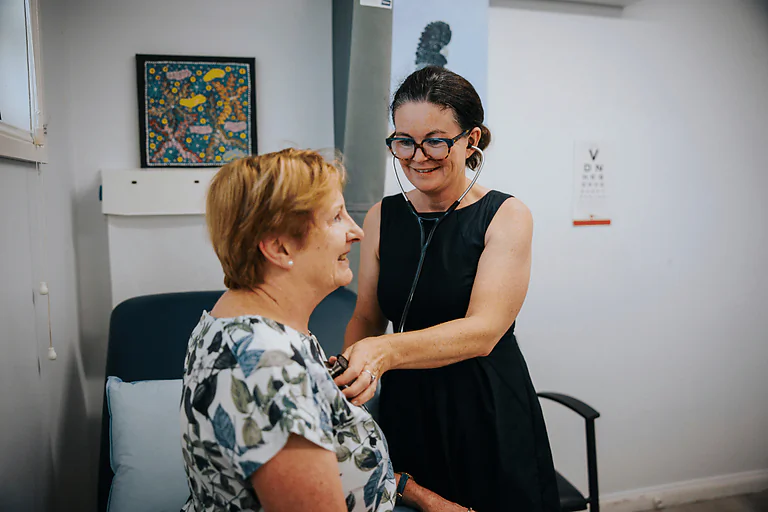
Women's Health Check: Screening & Nutrition
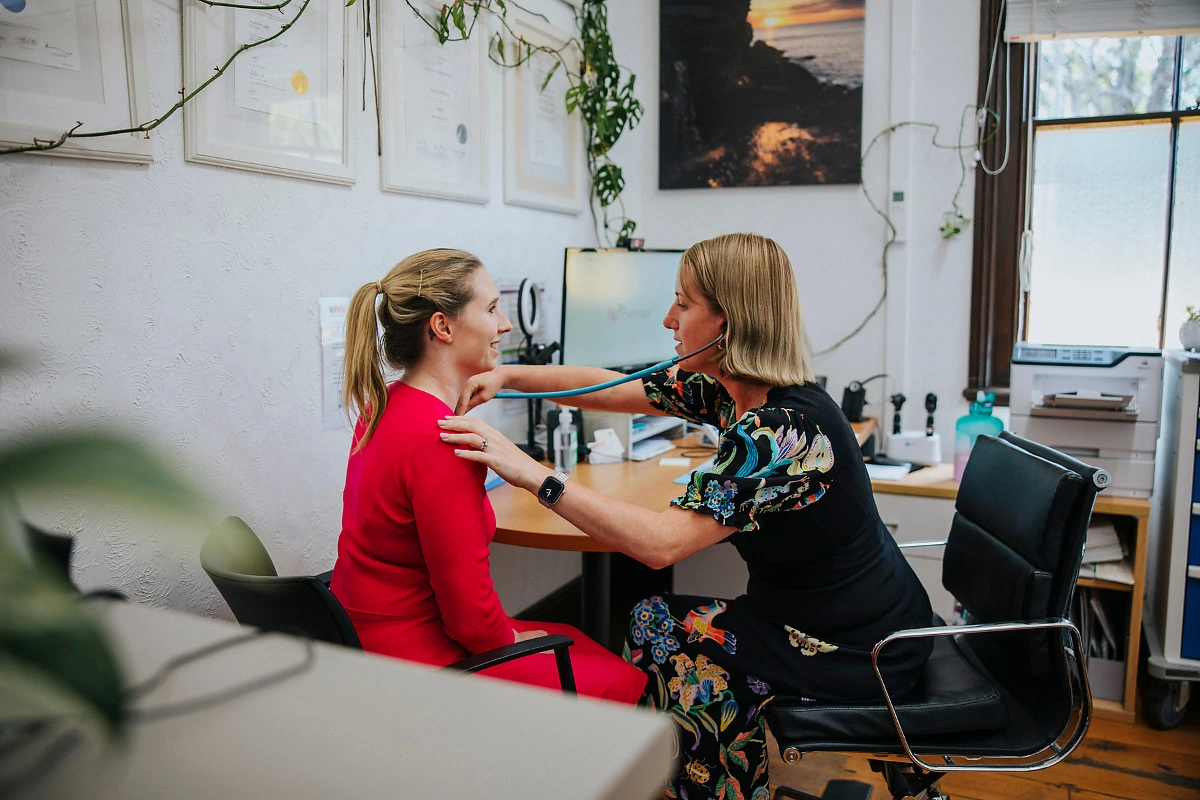
What does a women's health check include? Learn about cervical and breast screening, key nutrients, and how to book at FMP.
Your Women's Health Check: Screening and Nutrition Essentials
A women's health check covers more than a general appointment. It is a chance to review screening tests like cervical and breast screening, check iron and other nutritional needs, and talk through anything specific to your health stage. Regular checks help pick up issues early, when they are often easier to manage.
What does a women's health check include?
A women's health check is tailored to you, but it commonly covers blood pressure, weight, screening tests appropriate for your age, and a conversation about your menstrual health, contraception, menopause, mental wellbeing, and any concerns you have. It is also a good time to review your nutrition and any symptoms like fatigue that can have an underlying cause worth investigating.
How often should women have cervical and breast screening?
Under the National Cervical Screening Program, women and people with a cervix aged 25 to 74 are recommended to have a Cervical Screening Test every 5 years, and self-collection is now an available option. For breast screening, BreastScreen Australia invites women aged 50 to 74 for a free mammogram every 2 years, with screening also available from age 40. Your GP can confirm which screening tests are due for you.
Which nutrients matter most for women's health?
Iron is a common one to watch, as iron deficiency is more frequent among women of reproductive age due to menstruation. Calcium and vitamin D support bone health, which becomes increasingly important around and after menopause, and folate matters for those who may become pregnant. Rather than guessing, a women's health check lets your GP assess whether testing or dietary changes may be suitable for you. Our women's health services cover these areas in one place.
When should you book a women's health check?
A yearly check is a reasonable starting point for many women, though your GP may suggest a different interval based on your age, history, and any symptoms. If you are due for screening or have noticed changes in your cycle, energy, or mood, it is worth booking sooner. You can book a general appointment at our Woolooware practice or another location, and registering for MyMedicare helps your regular GP coordinate your care over time.
Frequently Asked Questions
What is the difference between a general check-up and a women's health check? A women's health check focuses on areas specific to women, including cervical and breast screening, reproductive and menopausal health, and nutrients like iron, alongside the general health measures.
Can I do my cervical screening test myself? Self-collection is now available for the Cervical Screening Test through your GP. Your doctor can explain how it works and whether it suits you.
Do I need a referral for breast screening? You do not need a referral for BreastScreen Australia in the eligible age groups. Your GP can advise on timing and arrange further tests if anything needs follow-up.
This article is for general information only and does not replace professional medical advice. Please speak with your GP before making any changes to your health care.