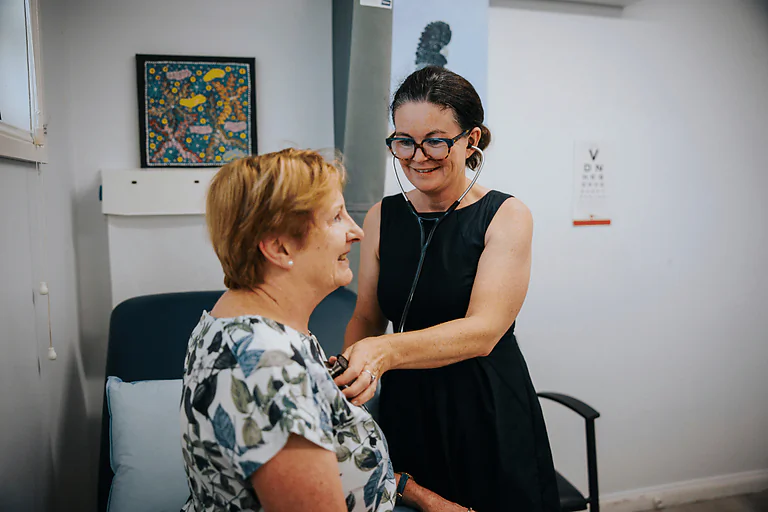
Bushwalks, Beaches & Bruises: Shire Injury Guide
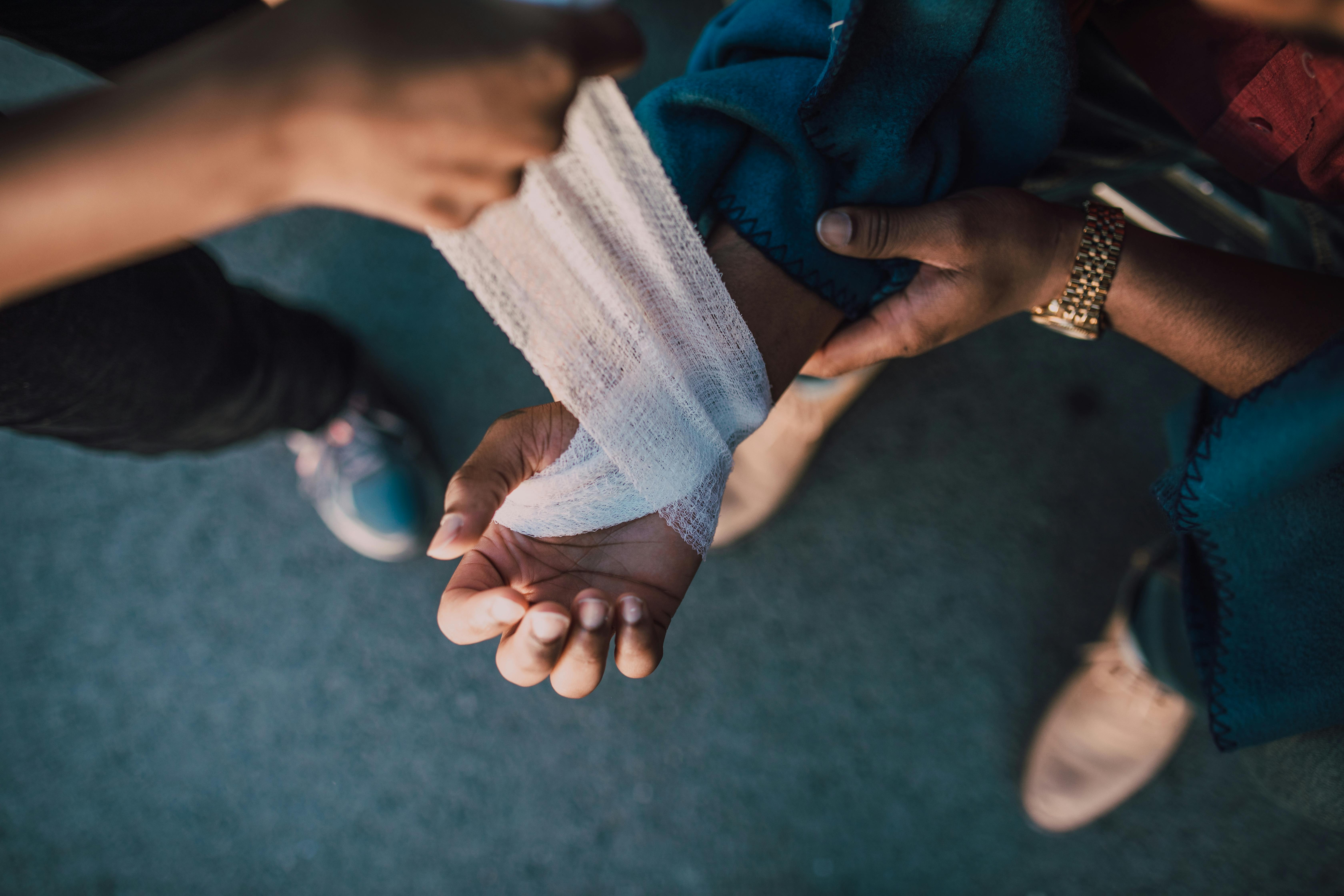
Living an active life in the Sutherland Shire can come with the occasional injury. Learn how to manage common sprains, cuts, stings, and when to see a GP or seek urgent care
Bushwalks, Beaches and Bruises – Managing Everyday Injuries in the Shire
Living in the Sutherland Shire means you’re never far from a bush trail, coastal walk, or beach. From Cronulla and Wanda Beach to the Royal National Park and the Port Hacking, an active outdoor lifestyle is part of everyday life.
With that activity comes the occasional sprain, scrape, sting, or bruise. Knowing what you can manage at home—and when to see a local GP or call 000—helps you enjoy Shire life with confidence and peace of mind.
Sprains and Strains
Rolled an ankle on the Esplanade, twisted a knee on Royal National Park steps, or landed awkwardly during weekend sport? Sprains and strains are among the most common injuries seen by GPs in the Shire.
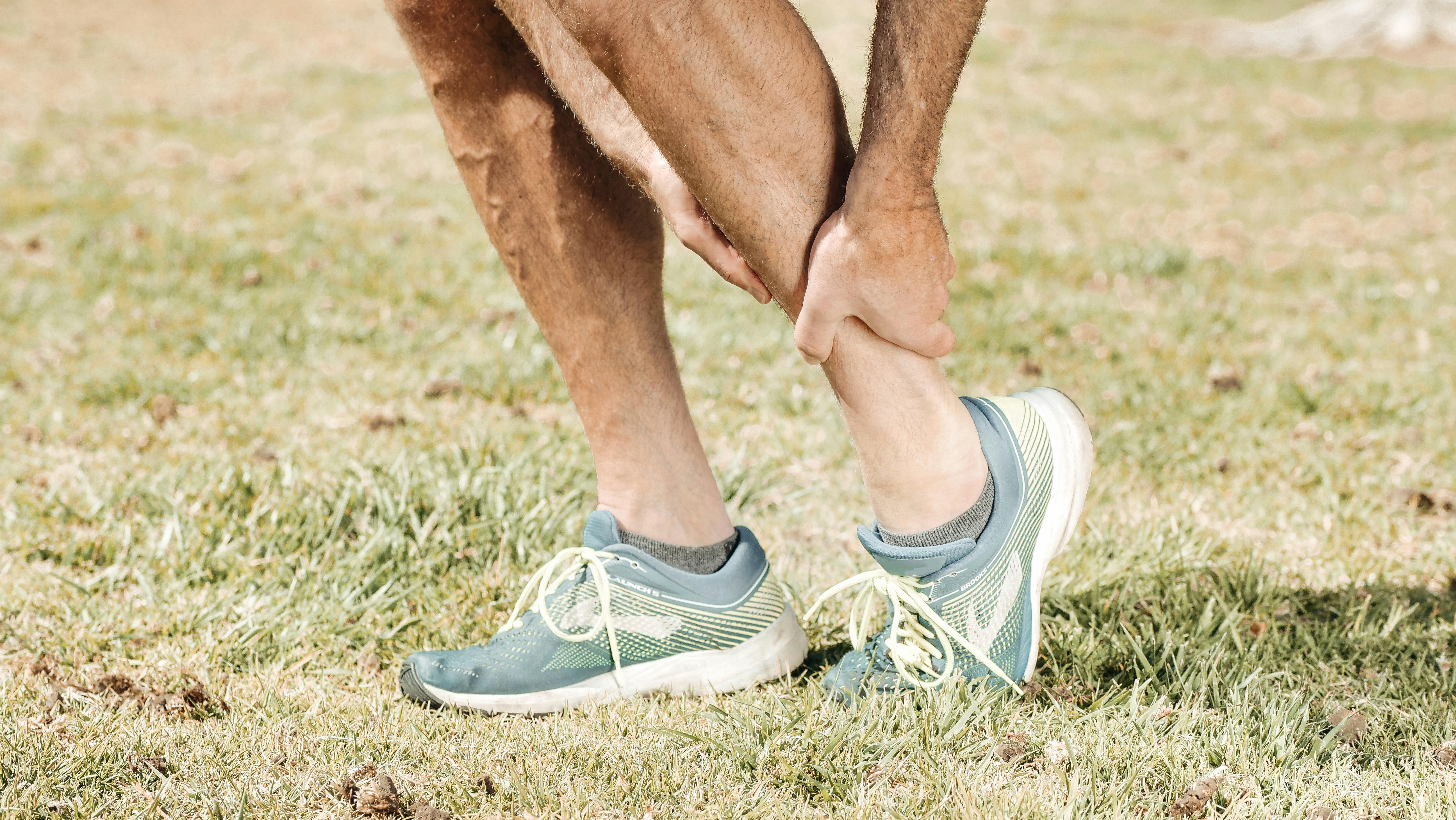
First Aid Basics (First 2–3 Days)
- Rest – avoid putting weight on the injured area
- Ice – apply for 15–20 minutes at a time, every few hours, with a cloth between ice and skin
- Compression – use a firm bandage to help limit swelling
- Elevation – raise the limb on a pillow whenever possible
Avoid heat, alcohol, running, and heavy massage early on, as these can increase swelling.
See a Shire GP If:
- You can’t put weight on the limb
- Pain or swelling isn’t improving after a few days
- The joint looks crooked or feels unstable
Your GP can assess for fractures or ligament damage and arrange imaging or physiotherapy if needed.
Cuts, Grazes and Minor Wounds
From rock pools to scooters along the foreshore, minor wounds are part of everyday life.
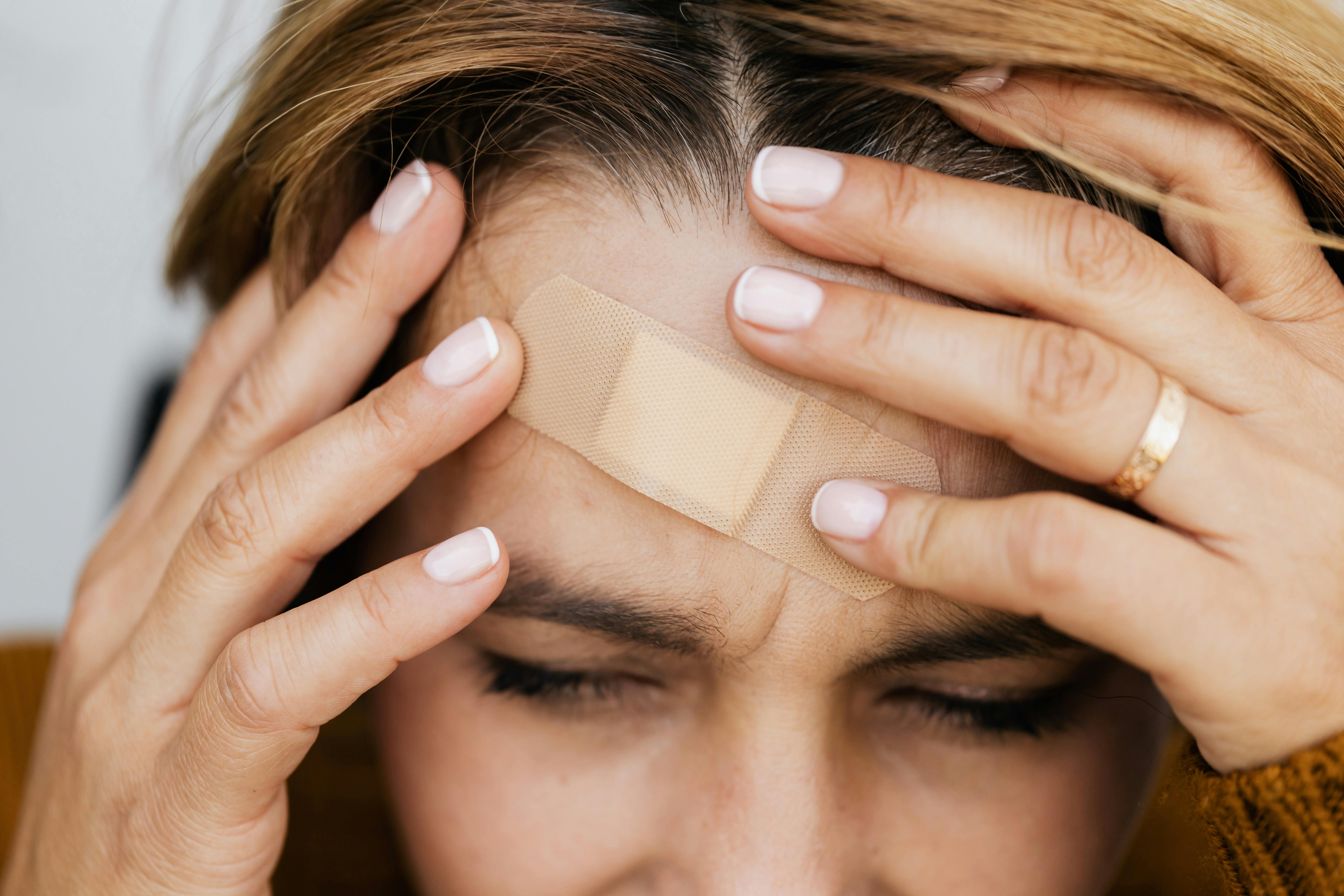
At Home Care:
- Rinse under clean running water to remove dirt, sand, or gravel
- Gently pat dry with a clean cloth or gauze
- Apply a thin layer of antiseptic
- Cover with a dressing or plaster and change daily or if wet
See a GP or Practice Nurse If:
- The wound is deep, gaping, or bleeding heavily
- Redness, warmth, swelling, or pus develops
- The injury came from a dirty, rusty, or contaminated object
You may need a tetanus booster. If you’re unsure when your last one was, your local GP clinic can check and advise.
Insect Bites and Ticks
Mozzies near the river, ants at local parks, and ticks in bushy areas are common across the Shire.

Mild Bites and Stings:
- Move away from insects if possible
- Wash with soap and water
- Apply a cold pack for 10–15 minutes
- Use an oral antihistamine or anti-itch cream if needed (follow instructions)
Tick Bites:
- Use a tick removal product if available
- If using tweezers, grasp the tick close to the skin and pull straight out
- Clean the area with antiseptic
See your GP if the area becomes increasingly red or painful, or if you develop fever or flu-like symptoms.
Call 000 or Go to Emergency If:
- You have trouble breathing or talking
- Your face, lips, or tongue suddenly swell
- You feel dizzy, faint, or collapse
These can be signs of a serious allergic reaction.
Jellyfish Stings on Shire Beaches
At Cronulla and Wanda, bluebottle stings are common, especially on windy days.

For Bluebottle Stings:
- Move out of the water
- Do not use vinegar (it can worsen pain)
- Rinse gently with sea water, not fresh water
- Remove tentacles carefully
- Immerse the area in hot water (warm, not scalding) for about 20 minutes
Seek medical care if pain is severe, a large area is affected, a child is stung, or you feel unwell.
When to See a GP – and When to Call 000
Book a Shire GP Appointment If:
- Pain, swelling, or bruising worsens after a few days
- You have reduced movement, weakness, or numbness
- A wound looks infected or you feel feverish
- A child is injured and you’re unsure how serious it is
- You’re unsure if you need stitches, imaging, antibiotics, or a tetanus shot
Call 000 or Go to Emergency If:
- Bleeding is heavy and not stopping
- A limb looks deformed or a fracture is suspected
- There is a serious head injury
- There are signs of a severe allergic reaction
Stay Active in the Shire, Stay Prepared
Keeping a small first aid kit in your car, pram, or beach bag—plasters, dressings, bandages, antiseptic, a cold pack, tweezers, sunscreen, and insect repellent—can make everyday mishaps easier to manage.
If you’re ever unsure about an injury after a surf, stroll, or game, book an appointment with your local Shire GP when you feel ready. Early advice can help you heal well and get comfortably back to the places you love.