Family Health Guide for Households in the Sutherland Shire

A practical guide to supporting health at every stage of family life, from young children to older adults, with a focus on prevention, planning, and everyday wellbeing.
Family Health Guide for Households in the Shire
A healthy family is the foundation of a strong community. In the Sutherland Shire, where multigenerational households and close-knit living are common, planning for everyone’s wellbeing—from young children to older adults—is an important part of everyday life.
This Family Health Guide for households in the Shire offers practical, realistic advice on childhood health checks, adult wellness, caring for older family members, and long-term planning. The goal is simple: to help families feel supported, organised, and confident about their health at every stage of life.

Building a Strong Foundation: Children’s Health and Development
Good health starts early. Regular childhood health checks help identify concerns before they become more difficult to manage. Keeping up to date with routine immunisations, vision and hearing screening, and growth and development checks supports both physical health and learning.
These appointments also provide space for parents to talk about sleep, behaviour, emotions, and school readiness. Early conversations and guidance can make a meaningful difference as children grow.
Everyday habits matter too. Balanced meals with fruits, vegetables, whole grains, and protein help children grow well, concentrate at school, and maintain steady energy. Limiting sugary snacks and choosing water over sweet drinks helps build healthy habits that can last into adulthood. Regular physical activity—outdoor play, walking, cycling, or local sport—supports strength, confidence, and mental wellbeing.

Supporting Teen and Adult Health
As children grow into teenagers and adults, health priorities shift. Emotional wellbeing becomes just as important as physical health, particularly during times of academic pressure, work stress, or major life changes.
Open, non-judgemental conversations about stress, relationships, social media, and mental health can help prevent small concerns from becoming larger challenges.
Adults benefit from regular health screening, including blood pressure checks, cholesterol and diabetes screening as recommended, and routine dental and eye care. Preventive care helps detect conditions like heart disease or diabetes early, when they are often easier to manage.
Staying active doesn’t need to be complicated. Walking local paths, gardening, household chores, or joining community fitness groups all support heart health, sleep quality, and mood.

Caring for Elderly Family Members
Caring for older relatives is an important part of family health planning, especially in multigenerational households. Older adults may need support with chronic conditions, medication management, mobility, or memory changes.
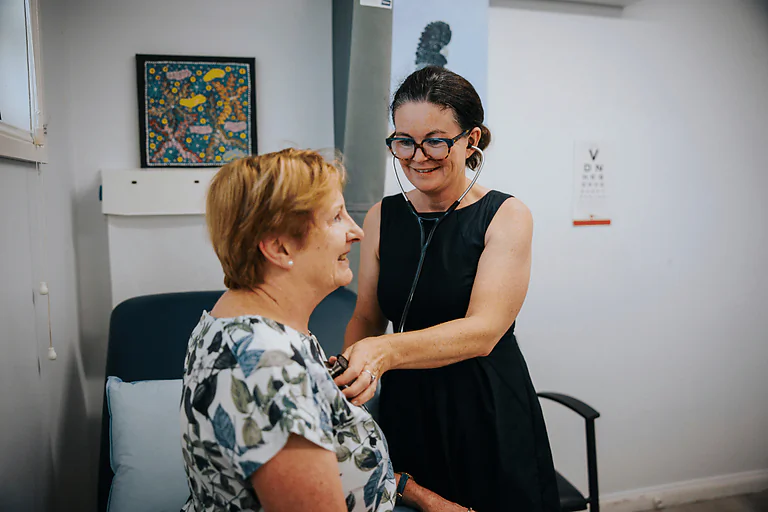
Regular medical reviews, vision and hearing checks, and medication reviews help keep care safe and coordinated. These visits also provide reassurance for both older adults and their families.
Home safety is another key consideration. Simple adjustments—such as improving lighting, installing handrails, using non-slip mats, and reducing trip hazards—can significantly lower the risk of falls. Encouraging gentle physical activity, along with social connection and involvement in family life, supports independence, confidence, and emotional wellbeing.
Multigenerational Health Planning
Many households in the Shire include several generations under one roof. Multigenerational health planning helps ensure everyone’s needs are considered and respected.
This might include:
- Shared meal planning that suits children and older adults
- Coordinating appointments to make transport easier
- Keeping communication open about health needs where appropriate
Creating a simple family health calendar—on the fridge or a shared phone app—can help track vaccinations, check-ups, screening tests, and medication schedules. It’s also helpful to agree on basic emergency plans, including key contacts and where important medical documents are kept.
Preventive Care and Healthy Lifestyle Choices
Prevention is often simpler and kinder than treatment. Encouraging balanced diets, regular movement, adequate sleep, and healthy ways to manage stress benefits every age group.
Limiting smoking, keeping alcohol within recommended guidelines for adults, and practising good hygiene—such as regular handwashing and staying home when unwell—helps reduce illness within the household.
Families can also benefit from using trusted health resources and guidance from healthcare professionals. Reputable national and international organisations, including the World Health Organization (WHO), provide evidence-based information to support healthy choices.
.jpg)
Frequently Asked Questions (FAQs)
How often should children have health check-ups?
Most children benefit from regular check-ups, often annually once school-aged, with more frequent visits in early childhood or when concerns arise.
What screenings are important for adults?
Common checks include blood pressure, cholesterol, diabetes screening, age-appropriate cancer screening, and regular dental and eye examinations.
How can families support elderly mental health?
Regular conversation, shared activities, inclusion in family decisions, and social connection help reduce isolation and support emotional wellbeing.
What is multigenerational health planning?
It involves coordinating healthcare, routines, and lifestyle habits across all age groups so everyone feels supported within the household.
How can families stay active together?
Walking, cycling, gardening, playing in local parks, dancing at home, and joining community activities are simple, low-cost options.
Why is preventive care important?
Preventive care helps identify health issues early, when they are often easier to manage, and reduces the impact of illness on daily family life.
Looking After Every Generation
Caring for family health is a shared responsibility that evolves over time. By focusing on preventive care, open communication, and thoughtful planning, households can create an environment where health feels manageable rather than overwhelming.
Small, steady steps taken today can help build a healthier, happier future for every generation under one roof.