Your Family’s Summer Health Guide: Expert Tips for Staying Safe in The Shire
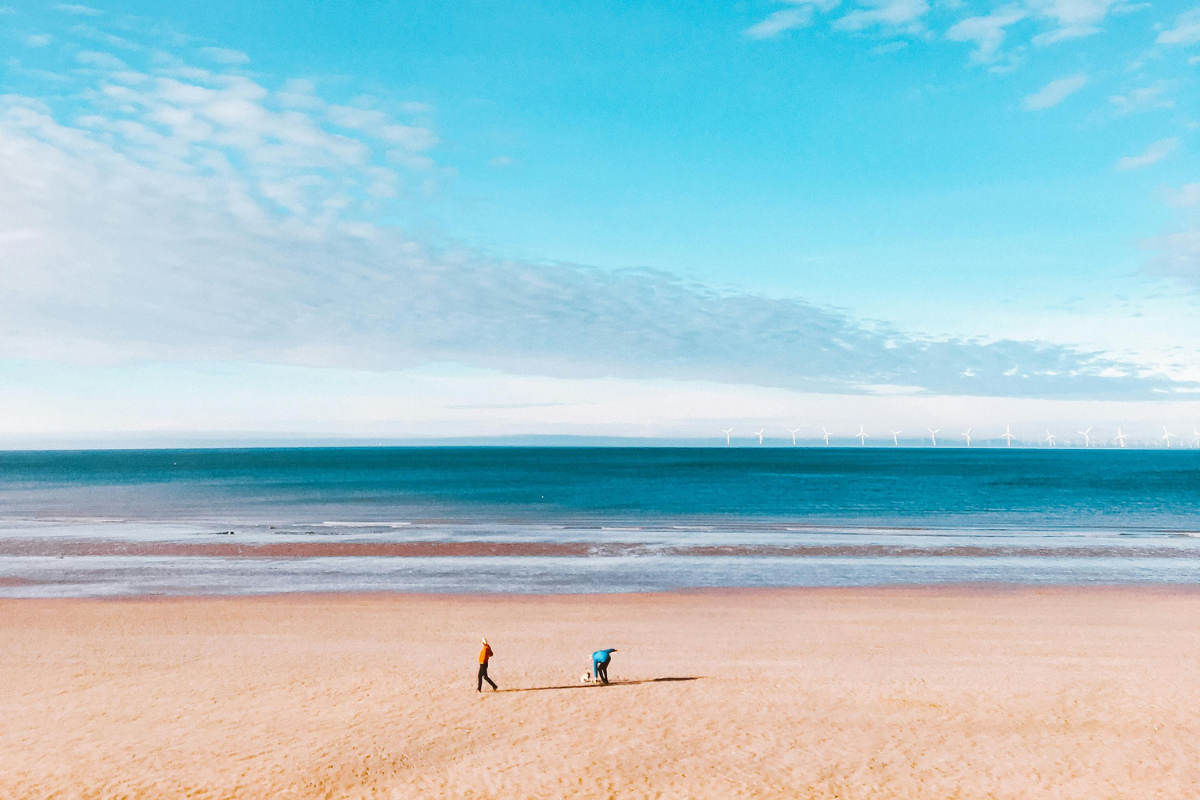
Summer is all about sunshine, beach trips, barbecues, and endless outdoor adventures. But while fun is in the air, so are heat risks, dehydration, and sunburns. That’s why we’ve crafted this ultimate summer health guide for families—packed with easy, practical tips to help you enjoy the season while staying safe, hydrated, and healthy. Whether you’re lounging poolside or hiking up a trail, these simple strategies will keep everyone in your crew feeling their best.
Summer in The Shire is full of sunshine, fun, and family time—but it also brings specific health risks that can’t be ignored. With high UV levels, extreme heat events, and mosquito-borne diseases such as Japanese Encephalitis Virus (JEV), it's crucial to be proactive about health and safety.
NSW Health has identified three summer health priorities:
- Heat-related illness
- UV radiation exposure
- Mosquito-borne diseases
This guide outlines how to manage these risks effectively—keeping your family safe and well all season long.
Staying Hydrated and Preventing Heat Illness
Certain groups are more susceptible to heat-related illness, including:
- Young children and babies
- Older adults
- Pregnant women
- People with chronic health conditions (e.g., heart, kidney, or respiratory diseases)
In hot weather, hydration is your first line of defence. Rather than focusing on the number of glasses, aim for frequent sips throughout the day, even before thirst kicks in. Thirst is a late sign of dehydration. For children playing outdoors, encourage water breaks every 15–20 minutes. A simple check: pale yellow urine indicates good hydration; darker colour means it’s time to drink more.
Recognising Heat Illness
Heat exhaustion symptoms include:
- Heavy sweating
- Weakness or fatigue
- Dizziness and nausea
- Headache
- Rapid pulse
- Cool, clammy skin
Action: Move to a shaded or air-conditioned place, remove excess clothing, apply cool compresses, and offer small sips of water.
Heat stroke is a medical emergency and may present as:
- Core body temperature above 40°C
- Hot, dry skin (no sweating)
- Confusion or altered consciousness
- Seizures or fainting
- Rapid breathing
Action: Call 000 immediately, begin cooling measures while waiting for help.
Heat Safety Tips
- Schedule outdoor activities in early morning or late afternoon
- Stay indoors or in shade between 10am–2pm (or 11am–3pm during daylight saving)
- Use fans or air conditioning and close blinds during peak heat
- Wear loose-fitting, breathable, light-coloured clothing
- Check in on vulnerable neighbours or relatives during heatwaves
Sun Protection: Daily Habits That Matter
Australia’s UV radiation is some of the strongest in the world. Over 95% of skin cancers are caused by UV exposure. Even on cooler or cloudy days, UV rays can still damage your skin.
The 5 S’s of Sun Safety
Follow this proven strategy for comprehensive sun protection:
- Slip on sun-protective clothing
- Slop on SPF50+ broad-spectrum, water-resistant sunscreen
- Slap on a broad-brimmed hat (7.5cm brim or more)
- Seek shade during high UV periods
- Slide on UV-protective sunglasses
Correct Sunscreen Use
- Apply 20 minutes before sun exposure
- Use 1 teaspoon per body area (arm, leg, front, back, face/neck)
- Reapply every 2 hours—or more often if swimming or sweating
- Don’t skip it on cloudy days—up to 80% of UV radiation penetrates clouds
Protecting Babies and Young Children from Sun Damage
Infants and toddlers need extra care when it comes to sun safety.
- Under 6 months: Avoid sunscreen altogether. Use shade, pram covers with ventilation, and dress babies in light, long-sleeved clothing with soft hats that cover the face and neck.
- Over 6 months: Use a combination of sun-safe clothing, hats, shaded areas, and sunscreen on exposed skin. Test new sunscreen on a small patch of skin first.
Children learn from adults—so model good sun habits consistently.
Preventing Mosquito-Borne Diseases
Several mosquito species in NSW can spread diseases like:
- Japanese Encephalitis Virus (JEV)
- Ross River Virus
- Barmah Forest Virus
The presence of JEV in mosquitoes and animals has made mosquito protection a summer priority.
The 4 A’s of Mozzie Protection
- Spray up – Use insect repellent with DEET or picaridin
- Cover up – Wear long-sleeved, loose-fitting clothing, especially at dusk and dawn
- Screen up – Ensure windows and doors are fitted with tight insect screens
- Clean up – Remove standing water around your home (plant saucers, toys, gutters, etc.)
When using both sunscreen and insect repellent:
- Apply sunscreen first, let it absorb, then apply repellent
- For babies over 2 months, repellents with up to 10% DEET are generally safe
At home or while camping, use:
- Mosquito nets over beds and prams
- Light-coloured clothing (mosquitoes are easier to spot)
- Regular checks for standing water in buckets, birdbaths, and gutters
Japanese Encephalitis Vaccination
Free vaccination against Japanese Encephalitis is available in NSW for people aged 2 months and older who live or work in high-risk areas.
Speak to your GP or pharmacist to check:
- If you're eligible for free vaccination
- Whether your travel plans or home location put you at risk
- If your job (e.g., farming, animal handling) increases your exposure
When to Seek Medical Attention for Bites
Most mosquito bites are harmless. However, see a doctor if you notice:
- Increasing redness, swelling, or warmth at the site
- Pus or discharge
- Fever, severe headache, or neck stiffness after a bite
Seek urgent care (call 000) for:
- Difficulty breathing
- Facial swelling
- Widespread hives or severe allergic reaction symptoms
Preparing for Summer Travel
Whether you're staying local or heading overseas, summer travel requires some planning.
Pre-Travel Health Steps
- Schedule a GP appointment 4–6 weeks before departure
- Ensure your family’s routine vaccinations are up to date
- Ask about travel-specific vaccines (e.g., Japanese Encephalitis, Typhoid)
- Discuss risks specific to rural, regional, or international destinations
Travel Health Kit Essentials
- Prescription medications (in original packaging)
- Pain relief (paracetamol or ibuprofen)
- Antiseptic, band-aids, digital thermometer
- SPF50+ sunscreen and insect repellent
- Hand sanitiser and face masks
- UV-protective sunglasses and hats
- Rehydration sachets and baby supplies (if needed)
Safe Eating and Drinking While Travelling
Food and water safety becomes particularly important in regions with poor sanitation.
- Drink only bottled or boiled water
- Avoid ice, unless you’re sure of the water source
- Eat food that’s hot and freshly cooked
- Be cautious with raw produce—peel fruits and avoid salads unless properly washed
- Wash or sanitise hands before eating or preparing food
If packing meals for day trips or picnics, store perishables in coolers and keep hot foods above 60°C and cold foods below 5°C.
Other Summer Health Considerations
COVID-19 and respiratory illnesses still circulate during the summer. If you’re feeling unwell, stay home. If you need to go out, wear a mask and avoid close contact with others.
Physical activity is great—but avoid outdoor workouts during peak heat hours. Exercise in the early morning or evening, take breaks in the shade, and drink water before, during, and after physical activity.
Stop immediately if you feel dizzy, overly tired, or nauseous.
When to Seek Professional Care
Call your GP or Healthdirect (1800 022 222) if:
- You’re unsure about symptoms or need medical advice
- Someone in your family has a chronic condition impacted by heat
- You’re planning travel and need personalised medical guidance
Call 000 immediately if you experience:
- Suspected heat stroke
- Severe allergic reaction
- Breathing difficulty or chest pain
- Loss of consciousness
Final Note
By staying informed and taking simple preventative steps, you and your family can enjoy a healthy, stress-free summer in The Shire. Whether it’s staying hydrated, applying sunscreen, or packing your travel health kit, small actions make a big difference!