Every Family's Journey Is Different: How Your GP Supports You Through It All

From conception to newborn checks, see how your Sutherland Shire GP supports every family's journey.
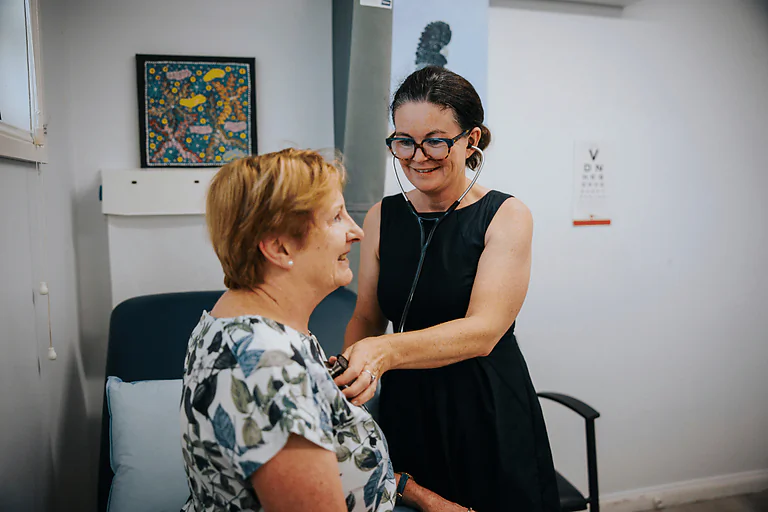
Every family's path to parenthood looks different, and a family planning journey benefits from GP support at each stage, from trying to conceive through pregnancy, birth and the newborn weeks. A GP who knows your history can offer continuity, honest guidance and care tailored to you, not a generic checklist.
No two families arrive at parenthood the same way. Some plan for years. Others are taken by surprise. Some journeys begin with joy, others with heartbreak, and many involve a mix of both along the way. At Family Medical Practices, our GPs are privileged to walk alongside patients through some of life's biggest moments, and every story deserves the same compassionate, evidence-based care.
What does a GP do when you find out you're pregnant?
"We weren't expecting this."
She'd booked in thinking it was a stomach bug. Instead, two lines on a test changed everything, and the timing wasn't what she'd planned.
An unexpected positive test can bring more questions than answers. Your GP can provide a safe, non-judgemental space to talk through every option, organise early pregnancy care and support whatever decision feels right for you, with no pressure either way. Sometimes the most valuable part of that first appointment is simply having someone you trust to talk it through with.
How can a GP support you through miscarriage?
"The bleeding started this morning."
They drove to the practice in silence, and the scan confirmed what they'd feared. Their GP didn't rush the appointment, answering every question twice if needed and organising follow-up care for what came next, medically and emotionally.
Miscarriage is one of the more heartbreaking experiences a family can face, and around 1 in 4 recognised pregnancies in Australia end in miscarriage, according to RANZCOG.
Your GP can help diagnose and manage miscarriage, arrange scans and blood tests, explain what to expect physically, provide pain relief, monitor recovery and support your mental health as you plan for what comes next, whenever you're ready. Grief doesn't keep office hours, and having a familiar GP to call in the days and weeks after can make an unbearable time a little more bearable.
What happens at pregnancy scans and check-ups?
"There's two heartbeats."
A routine scan revealed twins, and excitement quickly mixed with uncertainty about what happens now and who to see. "It's a girl!" Another family's 20-week scan showed everything developing beautifully, and the conversation shifted to keeping mum healthy through the months ahead.
Pregnancy isn't a single appointment, it's an ongoing relationship. Scans can bring news you weren't expecting, whether that's twins, a screening result that needs further explanation, or simply the reassurance that everything is developing well. Your GP can help explain results, coordinate referrals to specialists where needed, and stay part of your care throughout the pregnancy, discussing everything from blood pressure and gestational diabetes screening to nutrition and mental wellbeing along the way.
"Our NIPT wasn't what we hoped."
One phone call changed the week, and the family felt overwhelmed by news of an increased chance result. Their GP explained what the result actually meant, organised urgent referrals and provided balanced information while they waited.
If a screening test like NIPT comes back with an increased chance result, your GP can explain what it actually means, organise urgent referrals for diagnostic testing, and provide balanced information while you wait. Having someone you already know and trust matters most in uncertain moments.
Is it safe to have vaccines during pregnancy?
"Is it safe to have the whooping cough vaccine?"
Between the flu shot, the whooping cough booster and half-remembered advice from friends and forums, she'd built up a list of questions on her phone.
Your GP can go through your questions one by one, explain the timing and reasoning behind each vaccine, and update your records so nothing is missed. Because they know your pregnancy history, the advice you get is tailored to you rather than generic.
How do I prepare for labour and birth?
"How do we know when it's time?"
As the due date approached, the questions started: what happens if the waters break, when to go to hospital, what the pain relief options are, and what if things don't go to plan.
Your GP can help you understand birth plans, talk through your preferences and prepare for the unexpected, so you feel more confident heading into the big day.
What if breastfeeding isn't going to plan?
"Breastfeeding is harder than I imagined."
The baby was healthy, but feeding wasn't going to plan, and no one had warned her how hard it could be. Sore nipples, little sleep and growing self-doubt followed.
Your GP can assess feeding, check your baby's growth, manage common breastfeeding concerns, identify issues like tongue tie or mastitis where relevant, and connect you with lactation consultants and community supports. Feeding doesn't have to be all or nothing, the goal is supporting whatever feeding journey works for your family.
What happens at the two-week newborn check?
Two weeks later, parents arrive exhausted but proud, and the first fortnight is often a blur.
The two-week check is about far more than weighing your baby. It's a chance to check your physical recovery, mental health, feeding, sleep, wound healing and family adjustment, and to answer everything that's built up over those first precious days.
"How do we prepare our toddler?"
A new baby changes the whole family, not just one life, and many parents worry about jealousy, sleep changes and helping an older sibling adjust.
Your GP can offer practical advice and age-appropriate resources for that transition too.
How can a GP help if you're trying to conceive?
"It's taking longer than we hoped."
Month after month of a negative test can be incredibly stressful.
Your GP is often the first step, arranging fertility investigations, discussing lifestyle factors, organising hormone testing and semen analysis, and referring to fertility specialists when appropriate. Around 1 in 6 Australian couples experience infertility, according to Fertility Society of Australia and New Zealand data, and your GP can support you throughout that journey, including if it leads to IVF.
"I'm doing this on my own."
Families come in many forms, and some women choose to become parents independently. "We're becoming parents." Whether it's two mums, two dads, blended families or families built through donor conception, surrogacy or adoption, every journey deserves the same respect.
Your GP can provide preconception advice, organise fertility referrals, support pregnancy care and connect you with local services, offering welcoming, inclusive women's health and family planning care without judgement, so no one has to navigate parenthood alone.
Your GP, every step of the way
"We're thinking about trying for another."
With her first now walking, she booked in to talk timing, iron levels and how her body had recovered from the first birth. Her GP, who'd cared for her the first time round, could speak to her history directly rather than starting from zero.
From planning a pregnancy through antenatal care, birth, breastfeeding and newborn checks, having a GP who knows you and your family provides continuity, reassurance and care built around your history rather than a generic template. Whether you're just starting to think about a baby, expecting your first or your fourth, or planning for a second pregnancy with someone who already knows your story, our general services team is here to help at every stage.
Book an appointment at our Kirawee, Woolooware or Kurnell practice to start the conversation.
The scenarios above are composite examples drawn from common experiences in general practice, not individual patients, shared to reflect the range of care our GPs provide.
Frequently Asked Questions
Can I see the same GP throughout my whole pregnancy?
Yes, where possible we encourage continuity of care with the same GP so they can get to know your history and support you consistently through pregnancy, birth and beyond.
When should I see a GP if I'm trying to conceive?
It's worth booking in as soon as you start trying, or earlier if you have any existing health concerns, so your GP can discuss preconception health, timing and any relevant testing.
Do I need a referral to see a GP about fertility or pregnancy care?
No referral is needed to see your GP first. They can then refer you on to an obstetrician, fertility specialist or other services if required.
What should I do if I think I'm having a miscarriage?
Contact your GP or practice as soon as possible. If you're experiencing heavy bleeding or severe pain, seek urgent medical care.