Dementia Awareness: Signs & Support

Noticing memory changes in yourself or a parent? Learn the early signs of dementia, what's within your control, and how FMP GPs can help this Dementia Action Week.
Dementia is a general term for a decline in memory, thinking, and daily function severe enough to affect everyday life. More than 400,000 Australians currently live with it, and it is the leading cause of death for Australian women. Early signs are often subtle, but noticing them sooner gives families more time and options for support.
What are the early signs of dementia?
Common early changes include: Getting lost in familiar places Repeating questions or stories without realising Increasing difficulty with everyday tasks, like managing bills or following a recipe Word-finding difficulty or losing the thread of a conversation Changes in mood or personality that are out of character
These changes can also have other causes, including stress, depression, medication side effects, or thyroid issues, which is why a GP assessment matters rather than assuming the worst.
Is dementia just a normal part of ageing?
No. While the risk of dementia increases with age, it is not an inevitable part of getting older. Research suggests that up to four in ten dementia cases worldwide may be linked to risk factors that can be changed, including blood pressure, physical activity, hearing health, smoking, and social connection. It's never too early, or too late, to start addressing these.
What can a GP actually do about dementia risk?
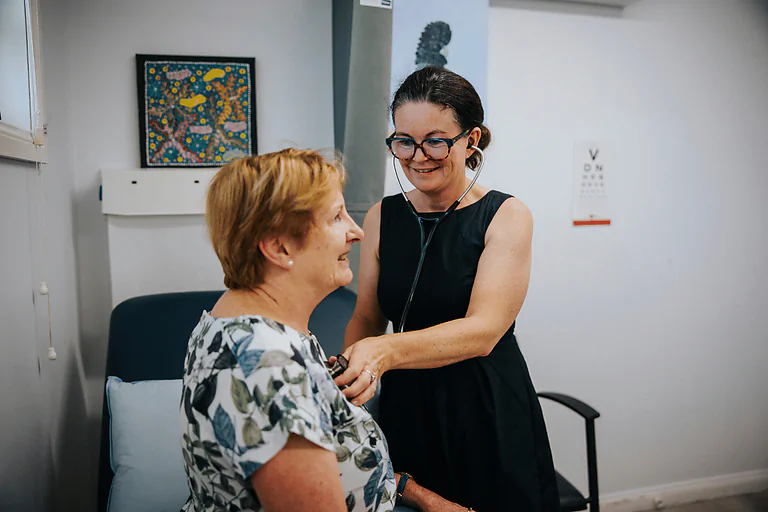
Your GP can check modifiable risk factors like blood pressure, cholesterol, and hearing, and talk through practical, individual steps that may support brain health over time. If there are signs of cognitive change, a GP can also arrange cognitive assessments and appropriate referrals, and start the conversation early rather than waiting for a crisis point.
How can families support someone with memory loss?
Many Shire families are caring for a parent or partner with memory changes, often while juggling work and children. A GP can help with assessment, referrals, and care planning, and can also support the carer, not just the person living with dementia. Looking after your own wellbeing is part of looking after theirs. Book through FMP's general services and ask about longer appointments if you want time to talk through options in depth. Ongoing management can also sit under MyMedicare enrolment for continuity of care. Appointments are available at Kirrawee, Woolooware, and Kurnell.
FAQs
At what age should I start worrying about dementia?
Dementia risk increases with age but can occur earlier in some cases (younger-onset dementia). If you're noticing changes at any age, it's worth raising with your GP rather than waiting.
Can lifestyle changes actually reduce dementia risk?
Some evidence suggests that managing blood pressure, staying physically active, protecting hearing, and staying socially engaged may support brain health, though individual results vary and this isn't a guarantee against dementia.
What's the difference between normal forgetfulness and a warning sign?
Occasionally misplacing keys is common at any age. Getting lost in familiar places, or repeating the same question shortly after asking it, are the kinds of patterns worth discussing with a GP.
Can my GP diagnose dementia, or do I need a specialist?
A GP can carry out an initial assessment and, where needed, refer you on for further cognitive testing or specialist review.
This article is for general information only and does not replace professional medical advice. Please speak with your GP before making any changes to your health care.