GLP-1 Medications for Weight Management: What to Know Before Your GP Appointment

GLP-1 medications like Ozempic and Wegovy are changing weight management in Australia. FMP GPs explain who is eligible, what to expect at your consultation, and how to access treatment safely in the Sutherland Shire.
GLP-1 receptor agonists have become one of the most talked-about developments in weight management medicine. Names like Ozempic, Wegovy, and Mounjaro appear in news headlines every day. But what are these medications, who are they suited to, and how do you access them appropriately in Australia?
What are GLP-1 medications?
GLP-1 (glucagon-like peptide-1) receptor agonists mimic a hormone produced naturally in the gut after eating. They slow the rate at which food leaves the stomach, reduce appetite by acting on hunger signals in the brain, and stimulate insulin release while reducing glucagon to regulate blood sugar. Originally developed for type 2 diabetes, they have been shown in clinical trials to produce significant weight loss in people with obesity or overweight combined with weight-related health conditions.
Which GLP-1 medications are available in Australia?
PBS status changes frequently. Your GP will confirm current eligibility and costs at your appointment. There are currently supply shortages for some GLP-1 medications in Australia, particularly Ozempic. Your GP can advise on availability and alternatives.
Who is eligible for GLP-1 medications?
For type 2 diabetes, GLP-1 medications may be prescribed when blood glucose is not adequately controlled with other treatments or when cardiovascular benefit is a priority. For weight management via Wegovy or Saxenda, the TGA-approved criteria generally require a BMI of 30 or above, or a BMI of 27 or above with at least one weight-related health condition such as hypertension, sleep apnoea, or high cholesterol. Patients also need to have attempted lifestyle changes before GLP-1 therapy is appropriate.
GLP-1 medications are not suitable for people who are pregnant, people with a personal or family history of medullary thyroid cancer or MEN 2 syndrome, or people with certain digestive conditions. A full medical assessment is essential before starting.
What happens at a GLP-1 consultation at FMP?
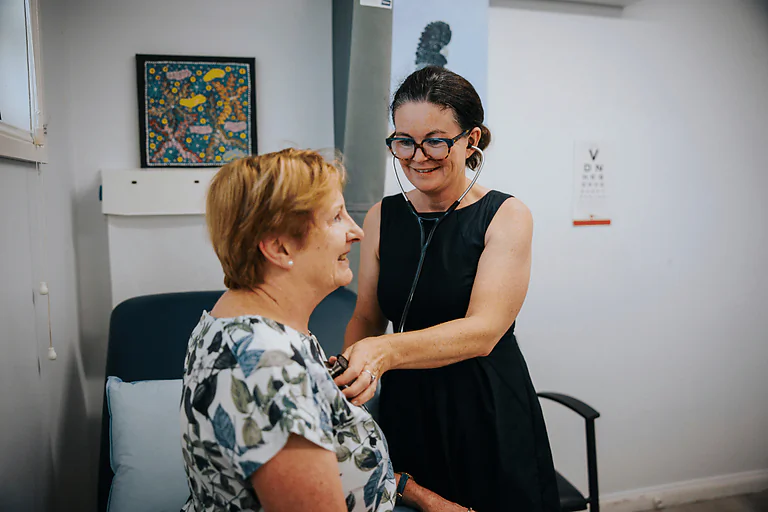
At Family Medical Practices, our GPs approach weight management as a long-term health goal. A GLP-1 consultation typically includes a full medical history review, physical assessment covering weight, BMI, and blood pressure, blood tests for fasting glucose, HbA1c, liver function, kidney function, and lipids, a clinical eligibility assessment, a discussion of medication options and what to expect, and an ongoing monitoring plan with regular check-ins to review progress and adjust dosing. This is not a prescription-on-demand service. Our GPs will only prescribe GLP-1 medications when they are clinically appropriate for your individual health.
What results can people expect?
Clinical trials show meaningful weight loss for eligible patients when GLP-1 medications are combined with lifestyle changes. In the STEP 1 trial (New England Journal of Medicine, 2021), semaglutide produced an average weight loss of approximately 15% of body weight over 68 weeks. In the SURMOUNT-1 trial (New England Journal of Medicine, 2022), tirzepatide produced an average weight loss of approximately 20% of body weight. Weight often returns when medication is stopped without sustained lifestyle changes — a factor your GP will discuss with you openly.
What are the side effects?
The most common side effects are gastrointestinal and tend to occur when starting or increasing the dose: nausea (affecting around 20–44% of users), vomiting, diarrhoea or constipation, and reflux. These effects usually improve within a few weeks. Serious but rare side effects include pancreatitis and gallbladder disease. Starting at a low dose and increasing gradually reduces side effect severity significantly.
How much do GLP-1 medications cost in Australia?
PBS-subsidised medications for diabetes cost standard co-payment rates, approximately $31.60 general or $7.70 concession as of 2025. Privately funded medications for weight management range from approximately $250–$450 per month depending on the medication and dose. Your GP will explain expected costs before you start.
FAQ: GLP-1 Appointments
Can any GP prescribe GLP-1 medications? Yes. GLP-1 medications can be prescribed by any Australian GP without a specialist referral. A thorough medical assessment is still necessary to determine whether the medication is appropriate for you.
Do I need to stay on GLP-1 medication forever? Not necessarily. The decision depends on your health goals, how you respond to the medication, and the underlying reasons for weight management. Your GP will review this with you regularly.
Will Medicare cover my GLP-1 appointments? Standard GP consultation Medicare rebates apply. The medication cost is separate and depends on PBS eligibility.
I've seen GLP-1 medications offered online without a GP visit. Is that safe? Online prescribing without a proper medical assessment carries significant risk. GLP-1 medications are not appropriate for everyone, and starting them without a full health review can mask underlying conditions or lead to serious side effects. A face-to-face GP consultation is strongly recommended.
How long is the wait for an appointment at FMP? Same-day appointments are available at Kirrawee seven days a week for urgent needs. Planned weight management consultations can be booked online.
Book a weight management consultation at Family Medical Practices in Kirrawee, Woolooware, or Kurnell. Our GPs will take the time to understand your health and help you make an informed decision about your options.