April Practice Updates
.png)
Flu clinics are now running across Kirrawee and Woolooware, with Kurnell dates coming soon. We’re also offering flu mist for patients 17 and under. Book online via our website. This month, our GPs share what they do outside the clinic, from sport and creativity to advocacy and hobbies, and how it shapes the way they care for patients. Meet the team and read more about life beyond general practice.
April Practice Updates
Flu Season is approaching, have you had your Flu Vax?
We are running flu clinics across all 3 of our practices.
- Kirrawee - Saturday afternoons 12:30pm - 1:30pm
- Woolooware - Wednesday afternoons 1:30pm - 2:30pm
- Kurnell - Clinics at Kurnell are yet to be confirmed but stay posted.
We are also offering flu mist for patients 17 and under this season. Bookings are online - book here
What do our GPs do when they are not at FMP
What we do outside of the clinic makes us better GPs in the clinic. In this months newsletter - a few of us share what we do, when we are not at work; and why this makes us better at helping you and your families.
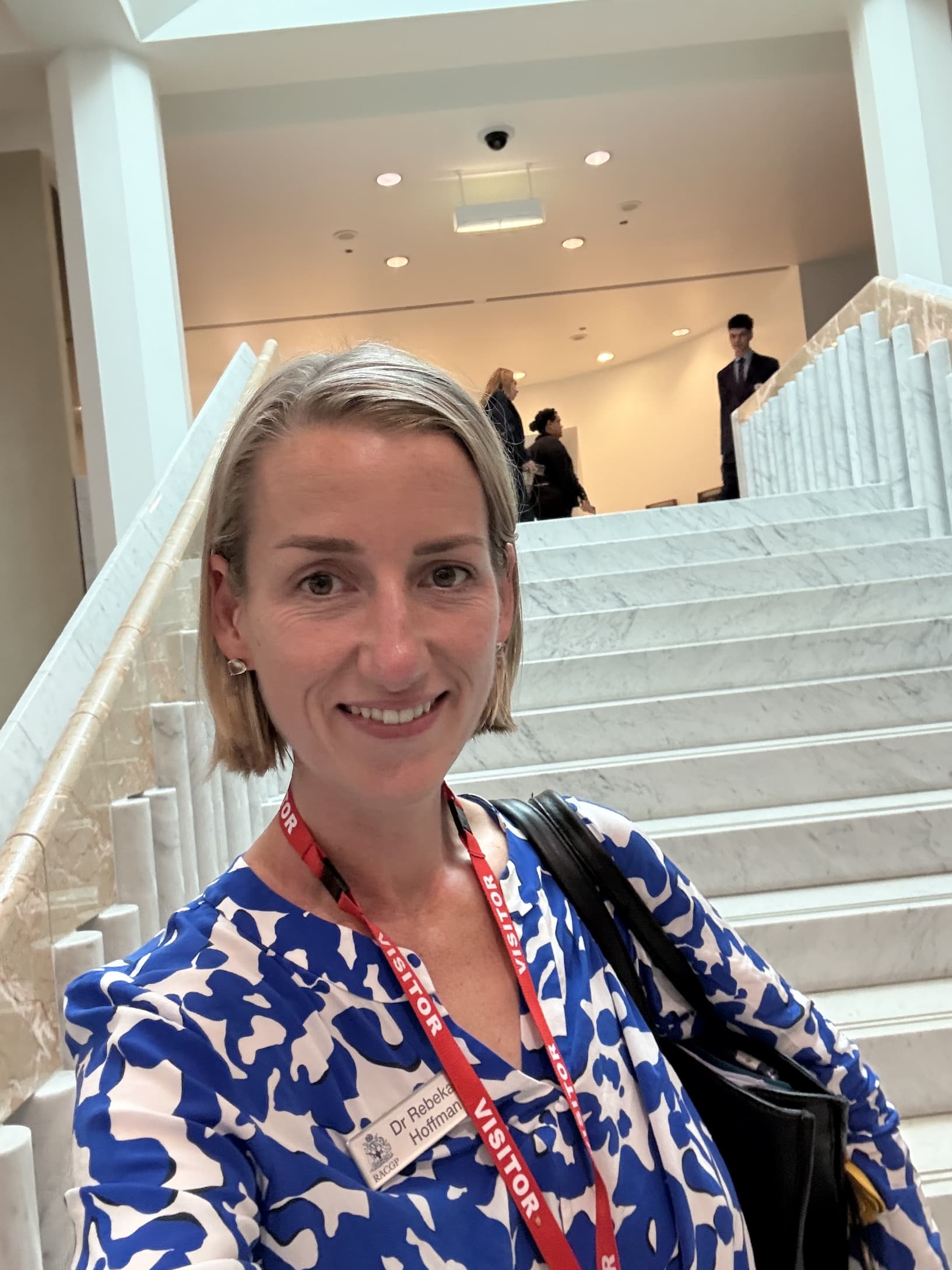
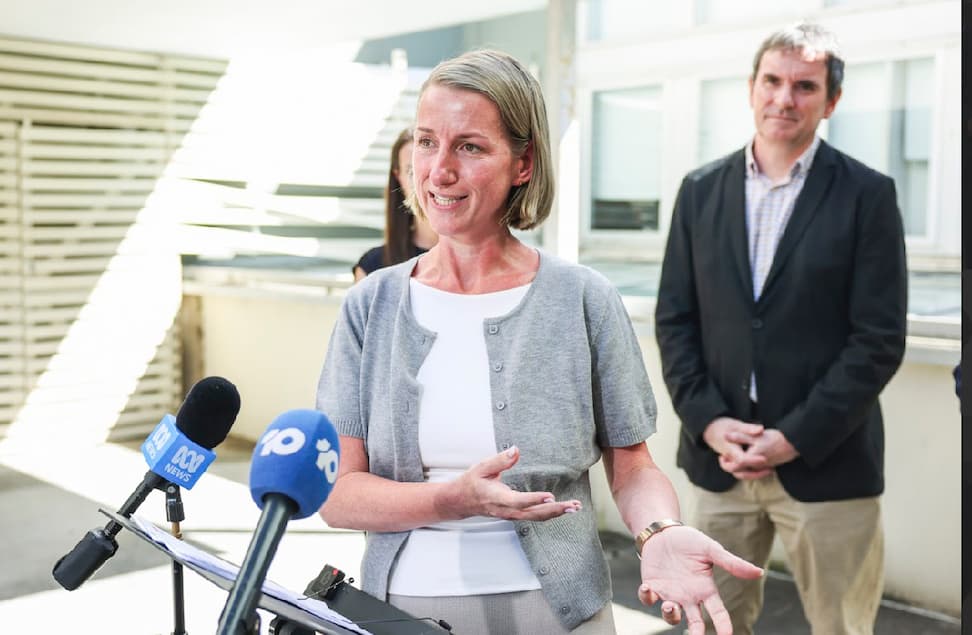
Paving the Way for Future Doctors - Dr Bek Hoffman
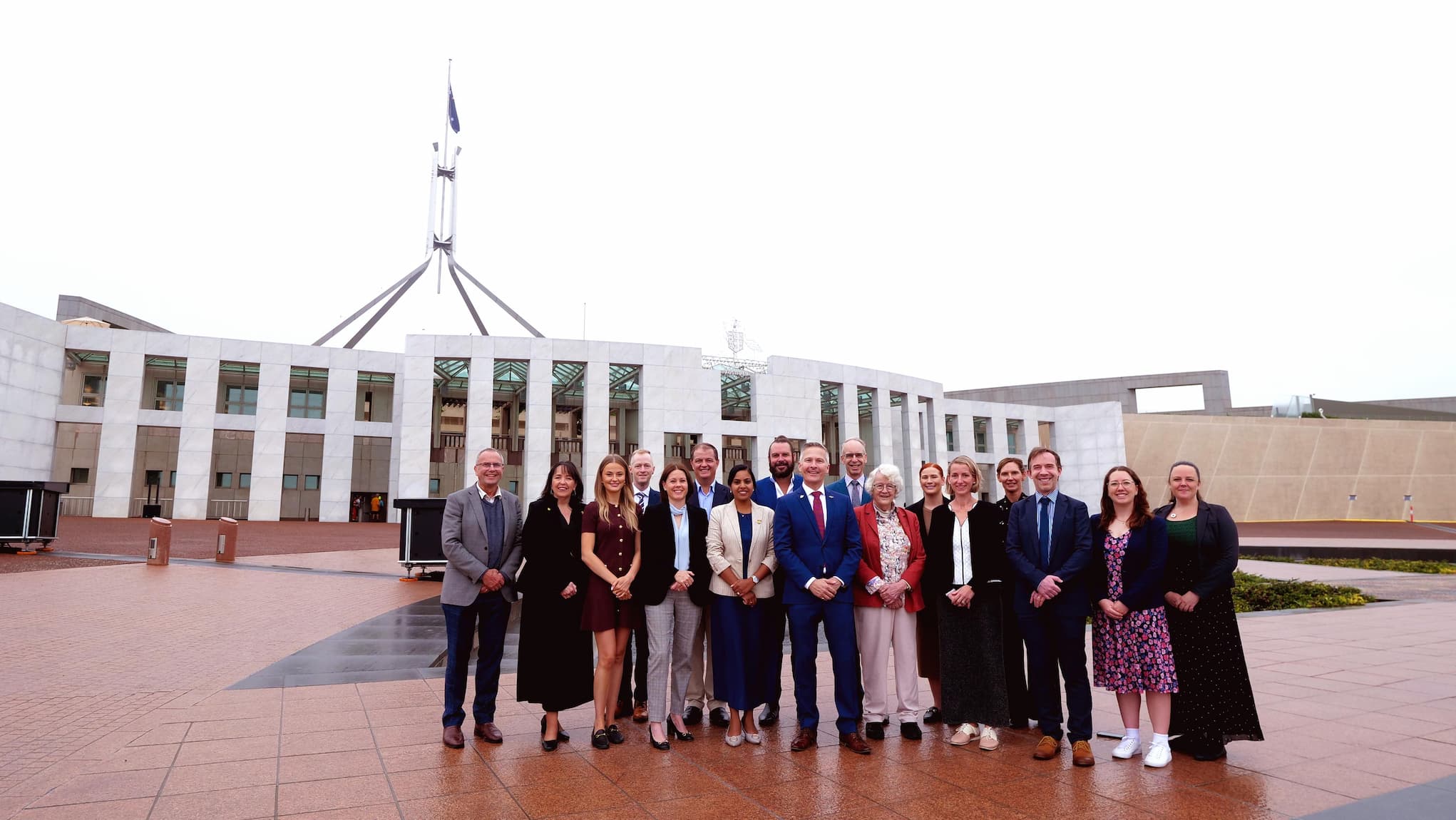
As a GP, practice owner, educator, and advocate, my role extends far beyond the consultation room. And it's these broader experiences that shape how I care for patients every day.
Seeing the Bigger Picture
Working across clinical care, governance, and advocacy gives me a unique perspective on the health system. As a faculty chair and board director for RACGP, I am able to contribute to the bigger picture of health and policy in the community. Whether it's contributing to policy discussions, working with the RACGP, or engaging with government on issues like Medicare reform or ADHD care, this work keeps me at the forefront of change.
What does that mean for you as a patient?
It means I can influence and care for more than just your health, but the things that impact your health and the way that you access your care, and the system around you; how to navigate it, advocate within it, and optimise your care.
Staying Curious and Committed to Learning
Medicine evolves rapidly, and as a GP we work hard to keep ontop of this rapidly changing space and learn and evolve with it.
Through my role as a medical educator and researcher, I'm constantly learning, whether that's teaching the next generation of doctors, reviewing new evidence or contributing to research.
My research into stress, burnout and wellbeing, particularly in healthcare, and has reinforced something I see every day: Health is rarely just physical.
Being a GP means understanding:
- The pressures of work and family life
- Mental health and emotional wellbeing
- The complexity of modern life
This allows me to care for patients as whole people, not just a list of symptoms.
Why It Matters
At its core, being a GP is about relationships, trust, and continuity.
All the roles I hold: clinician, educator, leader, advocate, feed into one goal:
To provide better, more thoughtful, and more effective care for you and your family.
If there's one thing I've learned, it's this:
Great general practice isn't just about treating one illness, or one person, it's about understanding people, relationships, navigating complexity, and continually striving to do better.
GP on the Sidelines - Dr Annalyse Crane
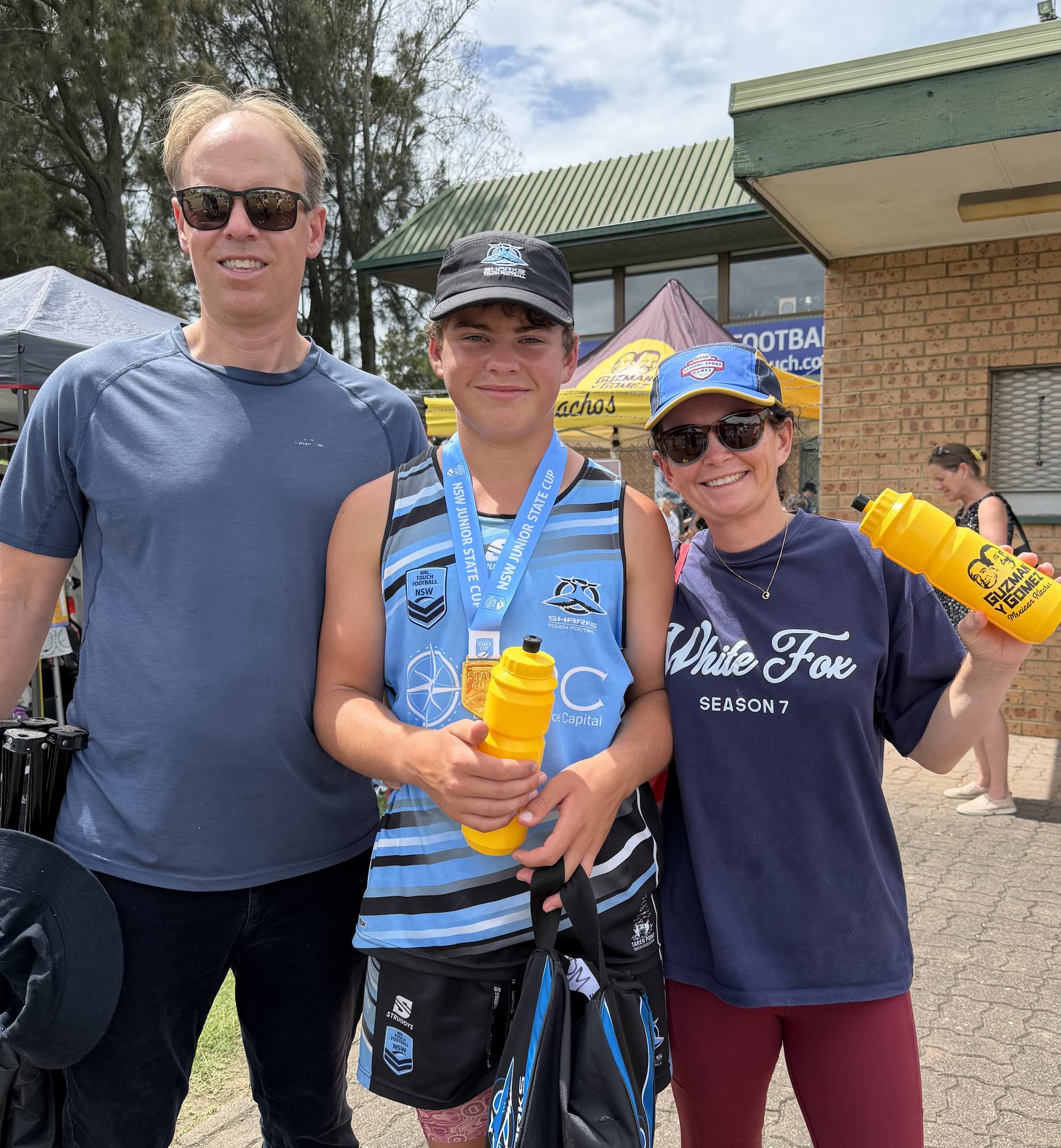
Recently, at a swim meet I kept walking past patients, some would find this weird, I love the interactions outside of the GP room. Seeing a year 7 student who I've looked after his ears since he was 2 and continuing what he loves at 12 is what it's all about. "Hello Dr Crane, what events are your kids in" priceless! I love watching my young patients learn to socialise, achieve and see me in many roles.
We've been at Tuggerah and Wagga playing touch and league, soccer across the Shire, dance eisteddfods and on the NRLW sidelines talking side by side with patients.
Sport is what makes my family tick. Immersing my passion for sport alongside of my profession as a GP is pure gold. Having a ballet podiatrist, Rebecca Angus in my surf patrol or a skiing physio, Chris Hickey or our dance physio Isabella De Santis, or my hand physio George Kiklas all keep me, my kids and my patients rehabilitated and on track for fun outside of work and school.
If you are a sports parent or athlete, come and see us, we have the expertise and understanding to get you and your kids thriving. If you want to know how I juggle 3 kids who are very active, a job, a shift working husband and ageing parents. Let's talk.
In Praise of Play - Dr Melanie Mapleson
Somewhere along the way, between calendar chaos and the mental lists that never empty, many of us gently, almost imperceptibly, set aside something essential: play. Not the productive kind, not the kind that can be monetised or optimised or justified, but the kind that exists purely for joy.
A creative hobby can feel like a luxury in a busy life, something to return to "one day" when things settle, but there is something deeply restorative about engaging in creativity for its own sake. It softens the edges of a long day, steadies a busy mind, and offers a different rhythm to one dictated by routine. The evidence behind this is robust: creative pursuits help us think more clearly, feel for steadily, and move through the world with a little more ease. But beyond the science, there's also something harder to quantify and perhaps even more importnat. It's a sense of aliveness and reconnecting with a part of ourselves defined by curiosity and delight.
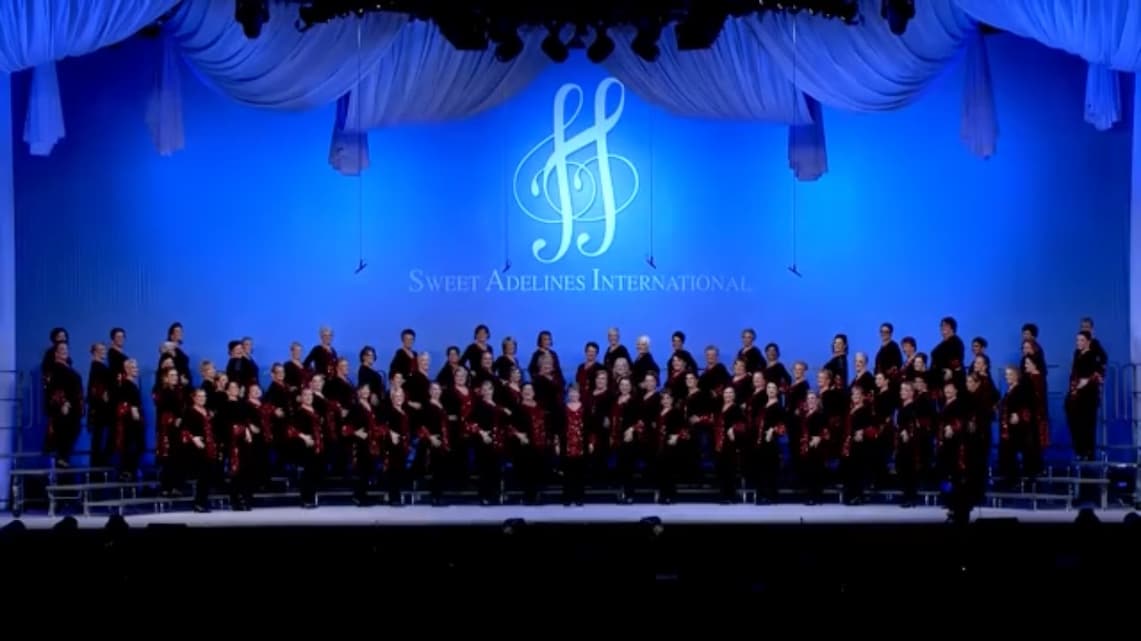
For me, that doorway back to myself is singing with others. Outside of KFMP, I have the privilege of being part of an award-winning women's acapella chorus. Without a doubt, it's one of the most life-giving times of my week.
When we sing with others, extraordinary things happen (and this is backed by real science!). Chorus is my harmony village, a place where the noise of daily life softens at the edges and is replaced by laughed and a kind of collective exhale. It's absorbing.
It can be easy to think that there's no room for this kind of thing in an already full life, that time is too scarce and energy too precious, but a creative hobby doesn't take anything away from us; it returns something that has been quietly depleted. It doesn't need to be elaborate or time-consuming or even particularly skillful. It might be singing in the care, sketching, moving to music in the kitchen, or trying something entirely new without any expectation of outcome. The value lie not in the result, but in the experience itself. Here's your gentle reminder that we're allowed to engage in something simply because it brings us happiness.
In a world that asks so much of us, particularly those of us who spend our days caring for others, this matters more than we realise. Creativity isn't an indulgence to be earned, it's a pulse that deserves our protection. It nourishes the parts of us that sustain everything ele and allows us to return to our roles with greater presence and perspective. Joy and play, it turns out, aren't optional. They're essential.
Dr Gemma and her Fostered Kittens - Dr Gemma Urch
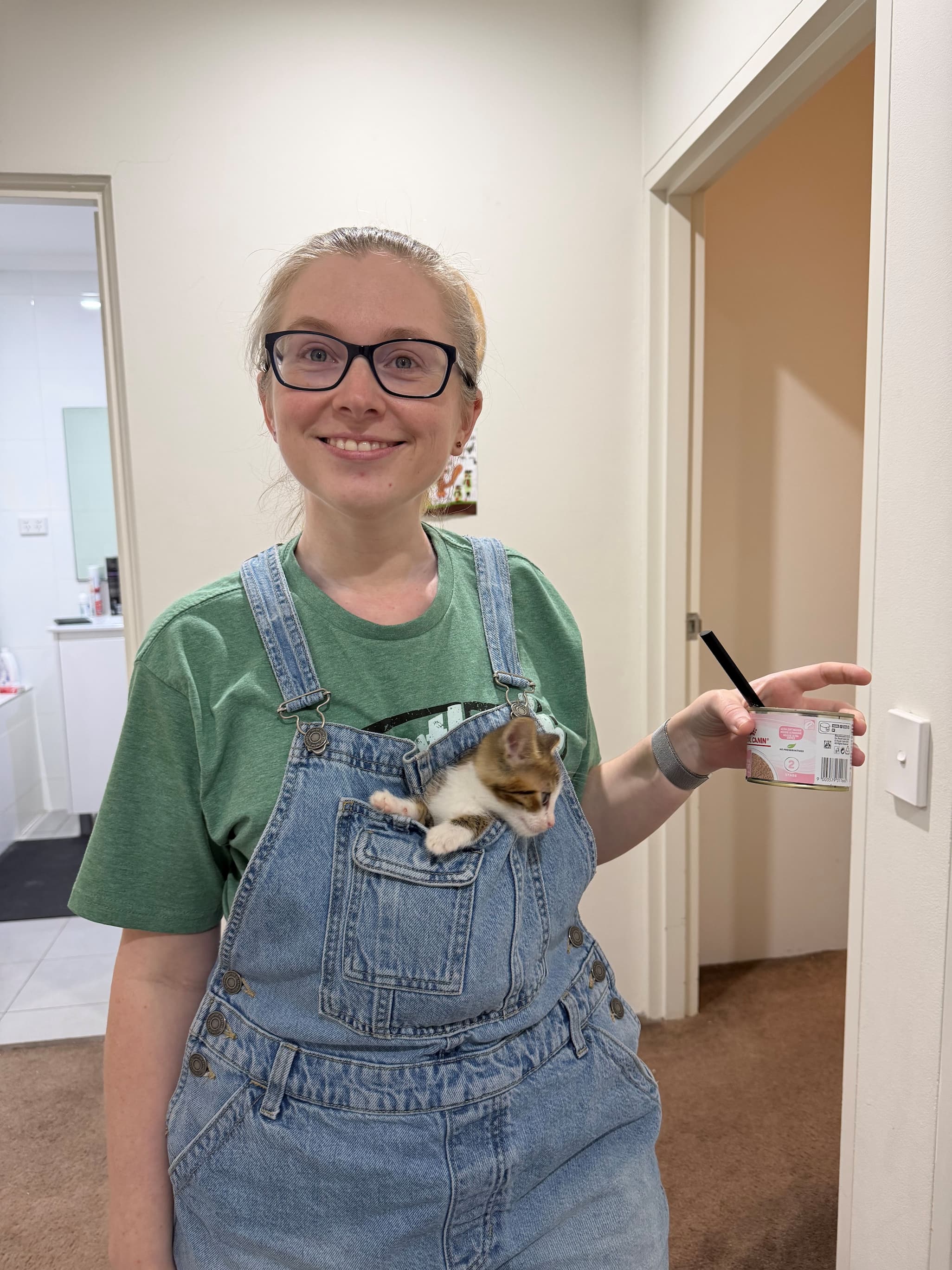
Dr Gemma fostered 5 kittens for Whiskeys & Co Rescue for 9 weeks. Waverly, Lyra, Fletcher and Claude were born in a local Kirrawee couple's backyard. They were struggling to gain weight with their undernourished 6 month old mother, so the rescue took them in for bottle feeding and to find them homes. They have thrived in foster care despite being very small (Eliis weighed just 272g on arrival), and 3/5 have found homes. Two girls, Lyra and Ellis are now looking for their forever family at Zetland Petstock.
Rolling for Initiative: What D&D Taught Me About Being a Better GP - Dr Christopher Timms
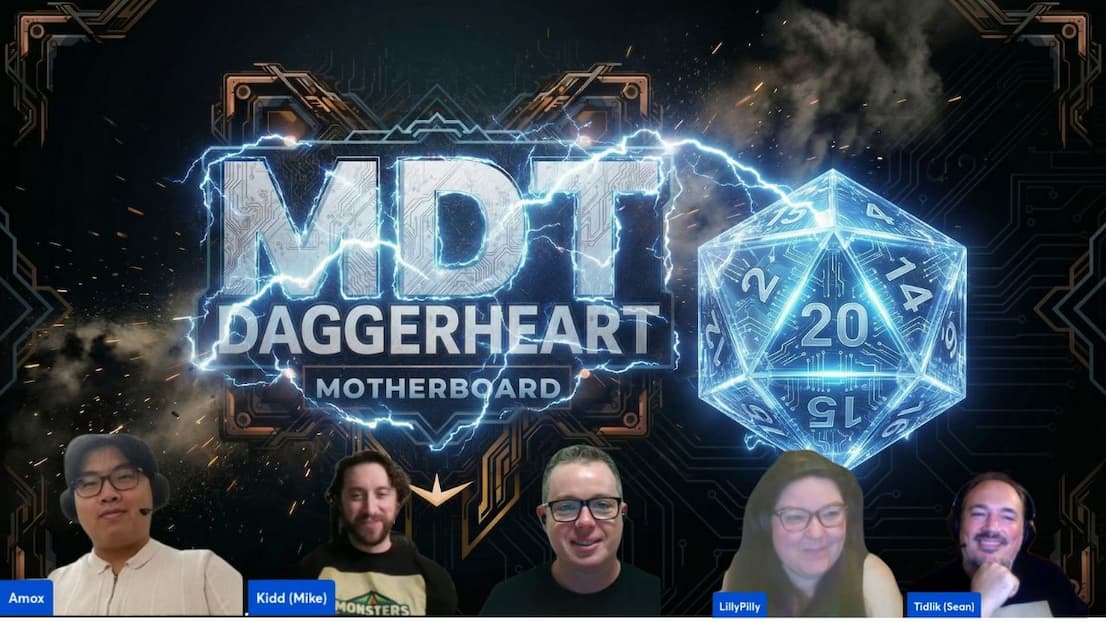
Every fortnight, I sit down with a group of fellow health professionals, pull out some dice, and do something that might surprise you - we play Dungeons & Dragons.
It started as a way to unwind, and it absolutely delivers on that front. Medicine is relentless, and having a space where the stakes are fictional does wonders for stress. But somewhere between slaying dragons and negotiating with goblin diplomats, I realised D&D was quietly making me better at my day job.
General Practice is improvisation. A patient walks in and you rarely know what's coming. You listen, you adapt, you think on your feet - exactly the skills you sharpen every time your carefully laid dungeon plan falls apart because someone decided to befriend the villain. Playing with other health professionals means we're all practicing that flexibility together, in a space where getting it wrong just means a funny story rather than critical incident.
Then there's communication. A good D&D player learns to read the table, to listen actively, to pitch ideas clearly, and to make space for quieter voices. Sound familiar? Those are consultation skills, honed over pizza and character sheets.
But the deepest connection is this: a GP is, at heart, a collector of stories. Every patient brings a narrative - their health isn't a single data point but a journey with chapters, setbacks, allies, and turning points. D&D reminded me to see it that way. When I sit across from a patient, I'm not just ticking boxes. I'm asking: where are you in your story, and how can I help you write the next chapter?
So yes, I have gone into nerd remission and play D&D. And I'd argue it makes me a more resilient, more creative, and more human GP.
If you'd like to make your next Medicine check with advantage, come and say hi - we're always looking for another party member.